Clyde Tabor
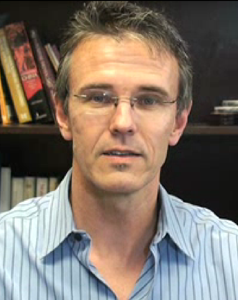
Clyde Tabor is a visionary and a man who likes connecting industry professionals together, so we can learn from each other. Clyde is the founder of the Visual Story Network and he got several of us on a videoconference to chat about development techniques last Thursday. Professionals and up coming filmmakers alike were on the call.

Brian Bird
Last month he asked Brian Bird to chat about writing. Brian just got green lighted on a six hour, $20MM show on the life of Jesus, thanks in part to The History Channel’s successful miniseries, “The Bible.” I originally met Brian some years back when he was working a project with Michael Landon, Jr.. Their partnership will continue with this miniseries and they both deserve congratulations.
Brian is most known for his writing work on Touched by an Angel, The Ultimate Life, and The Last Sin Eater. Brian also has a significant list of credits as a producer including Saving Sarah Cain, The Shunning, and his recent TV movie When Calls the Heart. Brian’s heart is not only deep into the art of filmmaking, but he has a soft spot for seeing the next generation educated in the craft.

Ralph Winter
Clyde’s gathering this past week was led by Ralph Winter. He is a force to be reckoned with in the industry and, like Brian, loves to help the next generation of filmmakers. Ralph is part of the bread and butter filmmakers that make a lifelong career in Hollywood and has watched many rise and disappear over the years.
The feature Hocus Pocus seems to have gained Ralph more than a decade of notoriety, but his sci-fi work exceeded everyone’s expectations with Star Trek III, IV, V and VI; X-Men, X2, X-Men: The Last Stand, and X-Men Origins: Wolverine; and, Fantastic Four, and Fantastic 4: Rising of the Silver Surfer. He has also produced several Frank Peretti titles and a myriad of other films.
Ralph uses “old school” techniques to get his job done. He pointed out that when it comes to scheduling, he’s faster using Post-it® notes on a wall than PAs or inters using their computer scheduling programs. I actually use the wall myself, but I use blank business cards and painter’s tape for longer lasting stickiness. It seems to be much faster than any strip board or scheduling program.
There were a good number of things discussed on the call, but the one thing Ralph shared that impacted me was the latest variation of P&L Analysis for films. In the past, creating a proforma chart with high, medium and low expectations were sufficient. However, today’s resources tend to come from more diverse sources that may need a little more handholding.
Ralph shared the analysis from his latest venture, which showed a breakdown of revenue and expenses for each release window. It was also notated, not as H, M, or L, but instead under the following categories: Downside, Breakeven, Base, and Breakout. With this new type of analysis, the investors can determine the good and bad of each release window and its impact on the other revenue sources. It also allows for the added benefit line that notates the state tax incentive based on shooting credits for location work.
The discussion got a little more invigorating when we shifted for a time to the standard breakeven scenario, which is no longer accurate based on the way many films are now being made. The old method and still the “official” standard method is as follows:
Breakeven = 2.5 * (P&A + Production Costs)
However, with tax incentives, A-list actors taking more backend funds, and low budget films requiring points for a percentage of the cast & crew’s work, the formula is adjusted for almost every independent production today.

Jess Stainbrook
It was also great to have Jess Stainbrook add to the conversation with his executive producer’s experience with the Kathy Baker and Robert Duvall vehicle, Seven days in Utopia. Producer David Nixon was also on the call (Facing the Giants, Fireproof, and Letters to God) and added his experience to the mix.

David Nixon
It appeared to me that while some of their choices and techniques varied, the things each of these producers had in common were their beliefs and passion for high quality, heart touching stories that inspire moral excellence and wholesome living. But frankly, it was just a good time connecting and learning a couple of golden nuggets of information from each of them.
Copyright © 2013 by CJ Powers

 CJ's Corner