If you’ve followed the last few posts, you know I’m determining which director is better: Paul and Sheilah Munger. The husband and wife team launched the Princess Cut franchise. They’ve kept it going without superheroes involved.
Last week I reviewed their film’s openings. I shared how giving the audience an immediate pay-off makes them feel good about their ticket buy. This week I’ll talk about the key elements that make for a great climax—and the answer isn’t explosions and bullets.
Several vital things must happen for a movie climax to be worth the ticket price. To pull it off, directors must focus on the below items.
Define the Climax
A movie is an argument, and the director must define his position in the argument. The director’s position defines the parameters of the climax. The more personal and riskier the argument, the more is at stake and the larger the climax’s pay-off.
In Back to the Future, Marty’s life gets jeopardized when he goes back in time. He inadvertently stops his parents from connecting. Marty overcomes many obstacles to get his parents to connect, so he’s not erased from time. He must then return to the future to live his life.
To get back in time, Marty has to overcome major obstacles and perfect timing to succeed. The climax hits as he transports back to the future.
Transform the Protagonist
A great climax shows the protagonist using their weakness to overcome obstacles and win their internal battle. This journey and character arch are about transforming the protagonist’s flaw into a strength. Once the protagonist has changed, he can execute the necessary steps in the pivotal moment to succeed.
The transformation of the character is critical to the success of the climax. This is possible when the director introduces the protagonist’s goal at the film’s beginning. The director follows with a demonstration of the protagonist’s flaw or weakness.
At the beginning of Act II, the director highlights the new skills, information, and allies the protagonist needs later in the journey. These elements make it clear that the protagonist cannot take on the antagonist. The antagonist’s strengths reveal the protagonist’s weaknesses.
This forces the protagonist into a corner with a lack of ability to battle the antagonist. Most films have the character lose a battle against a proxy antagonist to raise the risk leading to the climax. At this point, the protagonist faces a dark night of the soul with the realization that he isn’t enough.
But as we all do in a time of crisis, the protagonist considers his goal in light of his new skills, information, and allies. He regroups and heads into battle, knowing he will give his all.
In most romantic dramas, the protagonist has to overcome their misbelief before the climax. The simpler the lessons of the journey, the more likely audiences will try the protagonist’s final choices in their life. The protagonist must change to fulfill the character arch and produce the moment that allows them to win the climax.
Support the Climax
If the protagonist’s goal is unclear to the audience at the film’s beginning, the climax will be a dud. If the character doesn’t face the antagonist with their exposed weakness, the climax won’t work. The character arch must be clear and culminate in a changed person to take the win during the climax.
All the 32 story beats a director crafts into their film must lead to a single pivotal moment. The climax weakens with every missing or misdirected beat. A director with 7 or 16 beats has a more challenging time creating a memorable climactic ending.
The director’s job is all about supporting the story and its big finish. If at any time he directs a scene without understanding how it adds to the story, he weakens the ending. When a director ensures most story elements lead to the climax, audiences will watch the story many times.
Paul vs. Sheilah’s Princess Cut Endings
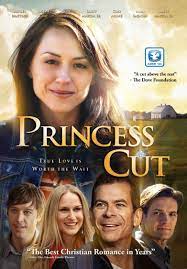
Paul in PC1 establishes that the protagonist wants to get married. Her dad wants her to learn about real love, not infatuation. As the story progresses, the protagonist sees both types of love in action.
The protagonist had to sort through the actions of others, her thoughts, and her feelings. By the climax, she chooses to trust the man she loved despite the circumstances. He, after taking care of the things that could hinder their relationship, shows up with her father’s blessing and proposes.
The climax works because we understand her goal to get married, starting with her first scene. While some scenes didn’t feed this trajectory, many scenes empowered the climax of the film. Overall, Paul had a winning climax.
Paul’s Princess Cut 2
Due to the length of this post, I won’t mention the PC2 climax except for one thing. Paul’s ensemble choice distracted the audience from the throughline, weakening the climax. Paul can learn about focusing on an ensemble by watching how the Avengers films tie to a single character’s throughline.
When a director loses track of balancing the story and keeping the focus headed to the climax, the editor usually brings him back to reality. Unfortunately, Paul’s editor was biased and fully supported his first cut. Why? Well, Paul was the editor. It’s too bad independent budgets make this the rule more times than not.
Sheilah’s Princess Cut 3
Sheilah stirs the audience by having the protagonist toss her boyfriend out after an issue that puts her child at risk. This leads to her facing a dark night of her soul, forcing the audience to wonder if they’ll ever overcome their circumstances. It was perfectly set up to watch the protagonist fight for her love through to the climax, but it didn’t play out that way.
Instead of fighting for her love, the protagonist had to overcome more obstacles put in front of her. This continued until her boyfriend attempted to intervene and ended up in the hospital. The climax soon follows with less emotional enthusiasm than expected.
This weaker climax was due to two things. First, the protagonist wasn’t driving the plot in a proactive battle for love leading up to the climax—a common mistake for first-time directors. Second, too many subplots were intercut at a time when a story should focus solely on the primary characters—I’ll blame the editor for that one.
The good news is that the audience did see the protagonist transform. They watched her shift from distrusting all to trusting the good in life. This opened her to a new world of love she had thought was beyond her grasp—a very satisfying ending for a romance film.
The Winner Is…
Sheilah did an excellent job with her first feature film. She opened with a strong focus on the protagonist. Unfortunately, she didn’t use that strength to drive the plot to the climax. But she did show the character’s transformation, which most first-time filmmakers miss.
This film launched her as a serious director with room to grow and master the craft.
Paul’s first film established the protagonist’s goal of getting married. He took the audience on the character’s journey to learn what true love looks like for a solid marriage. While he allowed too many story elements to happen to her, he did have the protagonist drive several scenes by her choices. This led to a good climax that satisfied the audience.
When comparing Paul and Sheilah’s features, I found that they have different strengths. They can learn from each other’s strengths. Sheilah has an innate sense of character focus, while Paul focuses on the goal of the thesis. Great films need both.
The best director between them will be the one who chooses to learn from the other. It’s too soon to make that call, so I’ll remind everyone that the protagonist must go through a transformation. And, they must also make choices that drive the story forward toward the climax.
Anything less will make the film unbearable for viewers.
Directors must find a balance between the action plotline and the B-plotline. The action plotline drives the story toward the climax. Th B-plotline transforms the protagonist’s character.
Congratulations to Paul and Sheilah for creating features that built a franchise. Also, thanks for sharing your love for each other through your true-love stories. Couples today need that role model in their entertainment.
Copyright © 2022 by CJ Powers




 CJ's Corner