 No, the press can’t get you production money, representation or a premiere at a top film festival, but it can place you in front of a lot of people if you can hook it.
Independent filmmakers need a platform to shout about their work. They need to connect with a professional journalist who believes in the filmmaker’s talent and spreads the word to increase the film’s buzz. Once the buzz swells, people decide if they’ll enter the theater or not. Without the buzz, they won’t go.
My first premiere was for a short film. While the film didn’t have a hook to entice a journalist to attend, I did have the renowned author give a talk prior to the film. Leaving his national platform to attend the film premiere of his popular book was enough to draw several journalists to the showing.
One journalist came early to learn about the unknown filmmaker who obtained the rights to a bestselling book. He didn’t introduce himself as a journalist, but instead offered to help me set up the punch and food table.
After the set-up was complete, I stepped into the men’s room and changed into a tux. With my pants down, so I could tuck in my shirt, the journalist introduced himself to me – Awkward.
The next morning I read about how this unknown filmmaker worked hard on setting up the premiere and then changed into a tuxedo in the restroom. The article went on about how such a small production company managed to obtain the rights and finally ended with a lukewarm paragraph about the film.
The story never hooked the writer, but my bizarre ability to pull off the impossible did. Unfortunately, by not presenting a proper hook, our press was ineffective at launching the film. Thankfully we changed our approach before the overseas release date.
But how do you connect with a journalist for a positive result? – By being authentic, truthful and following the below 5 steps.
1. KNOW YOUR TALENT LEVEL.
If your film was made in your backyard and mom did the make-up and dad held the boom pole, then don’t expect to be “found” with the greatest independent release to date.
The key is being honest about if your film can hold its own against competitive films. You need to be surrounded by enough people that will tell it like it is. Then ask yourself, is this picture the one I can give the press to compete nationally? If not, release it to the local or regional press.
2. PROVIDE THE HOOK.
Journalists aren’t lazy, but they are overwhelmed with more press releases than they can follow up on. They need help from honest PR pros that share the most interesting part of the newsworthy film story.
This is not an invitation to try and spin something cool, as it will only fall flat to the experienced – “Unknown Director Surfaces with Cool Movie Starring People You’ve Never Heard of.”
3. PAY ATTENTION TO TIMING.
Tens of thousands of journalists receive announcements that an independent film has started production. Less than one percent of those releases survive the trashcan. Why? Because 90% of films that start production never get released.
Timing is critical and the best opportunity to tell a journalist about a film is just before its scheduled release. Timeliness makes it more newsworthy and if it’s good, increases ticket purchases. Films that use advanced press watch their audience dissolve before ticket sales begin.
4. TEST YOUR PRODUCT/STORY
Everyone you know will tell you that your story is great, especially since they don’t want to upset you. The only true thermometer for excellence is the total stranger.
Heading to the mall and testing your pitch works wonders. If the person doesn’t understand the pitch, then people won’t understand your film. If the person loves your pitch, then learning about their demographics will improve your PR campaign and the film’s release.
5. TEST YOUR TRAILER
Many a film has flopped because the hot trailer drew a cool crowd, but not one made of people who would appreciate the story. Making sure the trailer properly represents the story and the film’s style is critical for testing its audience draw. Getting the wrong audience into seats will only create a disappointment that doesn’t read well in the press.
Making sure the genre, style and key story elements are present will draw the right audience. If you don’t like using your honest trailer, then you’ve been lying to yourself about the film’s entertainment value. By getting it right, the press will do the rest.
Once you’ve managed through the above steps, you’re ready to email the press with the right information that will attract the right journalists and finally the right audience. But this has to be done with just a few paragraphs and one link. Do not attach links to all your websites. Just attach the one that holds all the press information including the epk, trailer, clips, B-roll, photos, sound bites, and interview segments. Then get ready for a call to set up a live interview.
Copyright © 2014 by CJ Powers

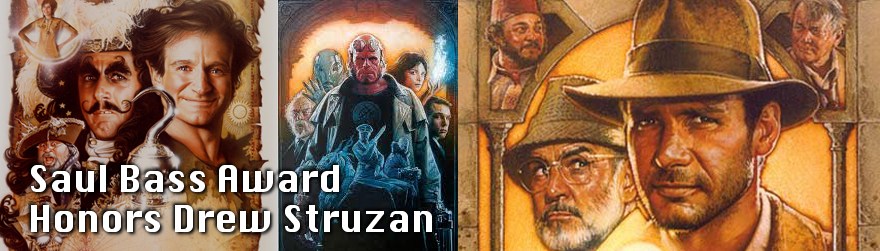
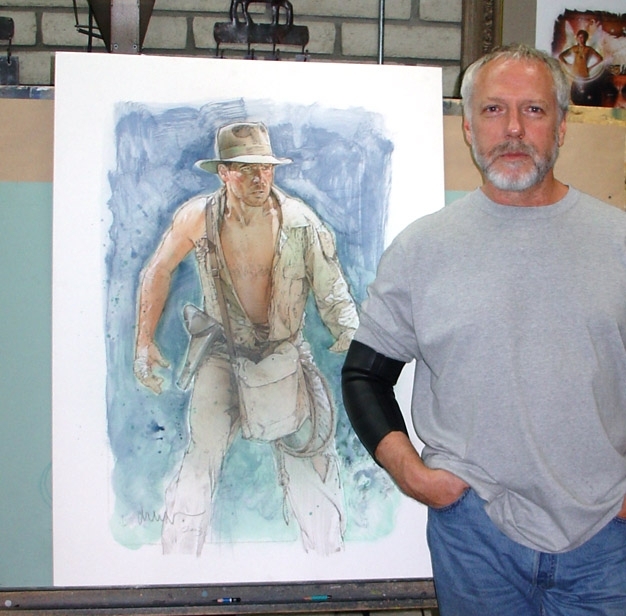 The Hollywood Reporter’s Key Art Awards created the Saul Bass Award to honor graphic designers in the film industry who created their own iconic and influential style. The recipient of the award must have a body of work that stands out among the competition and inspires others in the film industry.
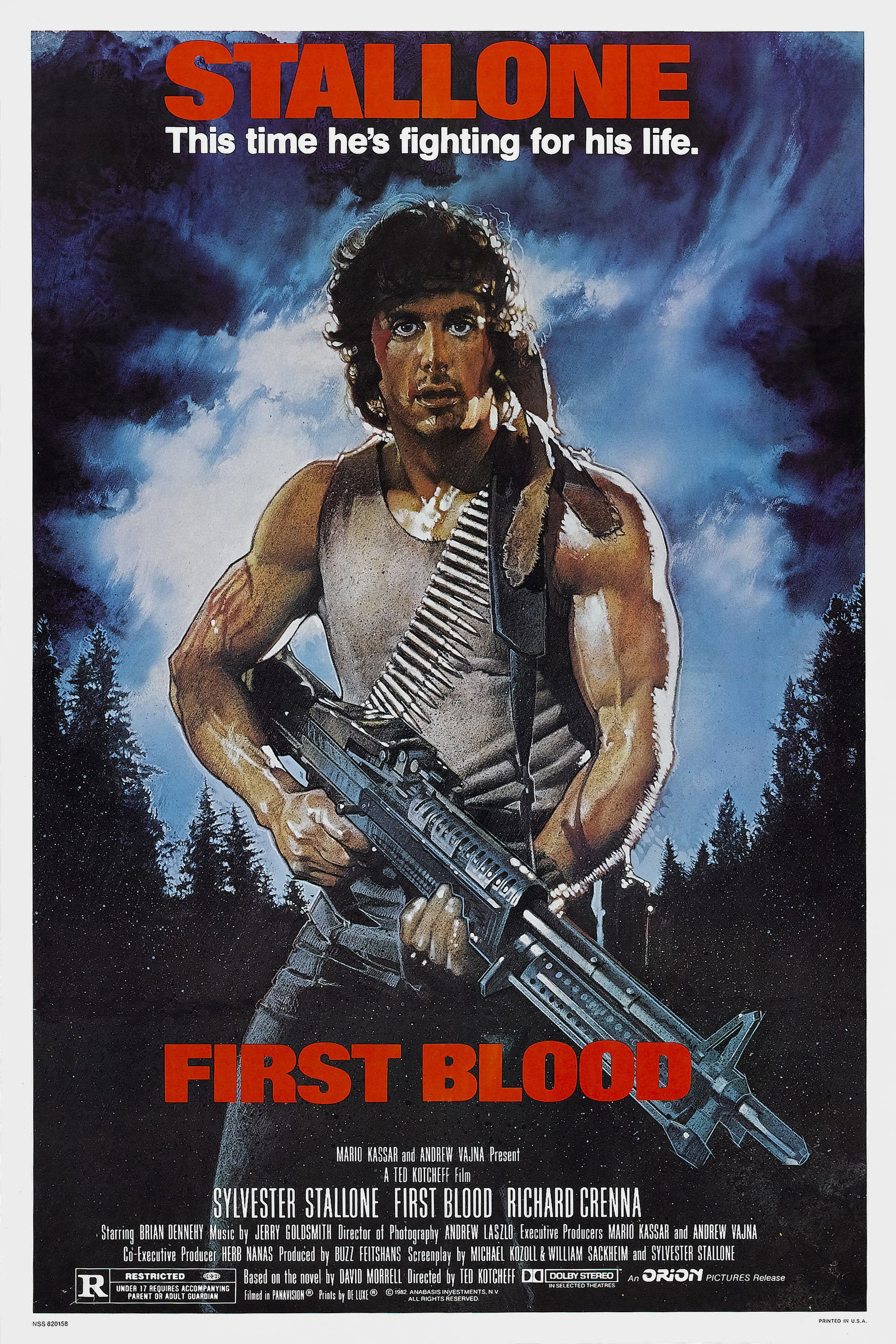 This year’s winner of the Saul Bass Award was Drew Struzan. He painted more than 200 posters over the past four decades including Back to the Future, Star Wars, Rambo, Indiana Jones, and Pan’s Labyrinth. His style is uniquely his and brings a sense of the film’s narrative to life, while creating a reminiscent sense of going to the movies.
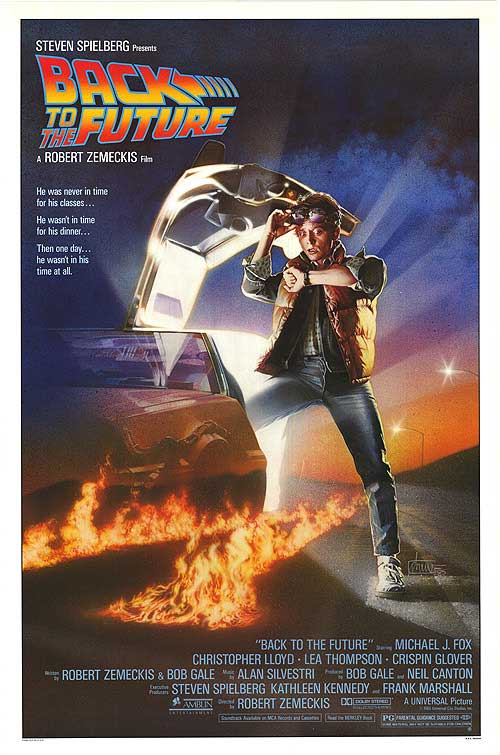 My favorite poster of his was for Back to the Future. It captured the key elements of the film, while expressing the feelings the movie generated in its audience. The surprised look on Marty McFly’s (Michael J. Fox) face, the fire trails and the streaks of light beaming out as the DeLorean fades into the past.
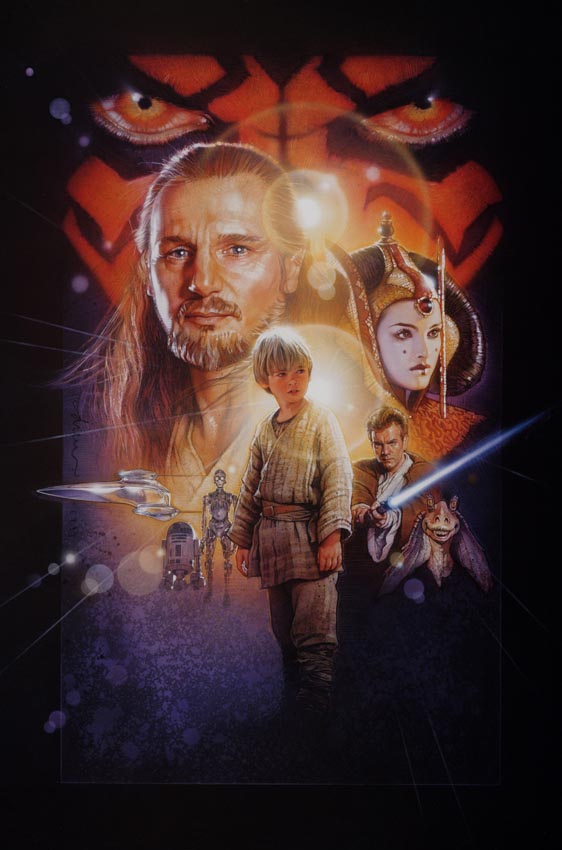 Struzan has an eye for the nuances that a camera seldom catches. Whether it’s a pensive look or one of a startled character, Struzan worked to seize the feelings of the moment. His unique style drove a new generation of collectors to expand the practice of collecting movie posters to an all time high. This fueled the collection of original movie poster art by top collectors and museums worldwide.


 CJ's Corner