
When I was a child, my dad told me that a motion picture was about movement. I said, “dah!” But later I realized he was profoundly right. I’ve seen too many films that were not about movement. I’m not talking about the physical motion you see on screen where either the camera is moving or the actor moves, although that is present in film.
I’m speaking about story movement.
Every great story has the triple A’s of story movement: Anticipation, Action, and Aftermath. It is no different than the beginning, middle and end, except for one small factor: It’s about building a question in the mind of a viewer that must be quenched by watching more of the show.
ANTICIPATION
The “what” of a story is typically known by the audience before watching the film. The key is to make sure the audience doesn’t presume the “how” of the story before it unfolds. However, to create story movement the director must build anticipation in the audience to see if things play out in the expected way. While the ending might turn out close to expectations, how the story unfolds must be new and unique.
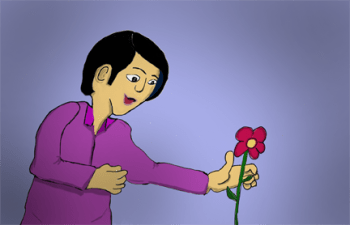 My picture of a character reaching for a flower is symbolic of anticipation. It causes the audience to wonder if the character will caress the flower and smell it, or pick it. Both possibilities have been seen before, so how it’s done tells a new story worth watching. Not knowing how things will play out causes the audience to anticipate several possibilities. The audience is compelled to continue watching to see the outcome.
ACTION
 The flower being picked confirms the anticipated event to be new or what was expected, but done in a fresh way. It also raises another question. The audience now wants to know what will happen to the flower. The action drives the viewer to seek the end of the scene. They need to know if the character will hand the flower to someone, put it in a vase, toss it over the neighbors fence, or maybe realize that picking it killed the poor thing and grieve. The possibilities are endless.
AFTERMATH
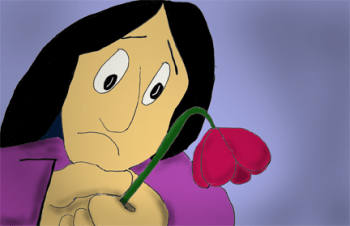 The aftermath isn’t always negative, but many times it is, except for the midpoint and climax of the film. But it’s always emotional so the audience shares the experience and desires to know more about what will happen in the next scene. Many writers speak about this moment being critical to moving a story forward using a consequence or conflict.
Every scene must have the three A’s to drive the audience’s desire for more story. Without it, the film falls apart. The magic of the three A’s is that it works every time, keeping the story moving and raises questions in the audience’s mind about what comes next. Great stories compel the audience to watch every subsequent scene until the film’s resolving climax and epilog.
 Hollywood PR firms trying to promote the Academy Awards gained little traction with news stories. The goal was to create controversy about the “lack” of minorities in movies to get the publics’ attention and viewership for The Oscars®. Additional promotions suggested that host Chris Rock would stick it to the system during the show’s opening. However, few people jumped on the bandwagon when it comes to social media.
 Actors are great at developing hype to draw their fans to anticipate the results of an award announcement. They bring their fan base into the ballroom vicariously through Facebook, Twitter, Instagram and Periscope. The progressive evening puts fans on the edge of their seat and then…nothing. The actor stops the stream of updated posts because he or she doesn’t know what to do when the award goes to another artist.
 CJ's Corner