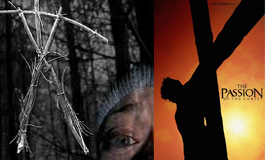
 The Christian film genre is on the same trajectory as the horror film industry was three decades ago. Horror films started with weekend production companies filming blood and guts stories that had a sole purpose of scaring people. Most film companies bought lunch for their cast and crew, but few handed out paychecks.
Halloween (1978) was the first in the genre to go mainstream and break out of the basement production mode, gaining full distribution. The Blair Witch Project (1999) stepped it up a notch with, at the time, the biggest grassroots marketing campaign in film history – putting horror films universally on the map. Numerous production companies followed suit, which increased production values and rocketed the genre into the main stay of Hollywood.
The Christian genre followed with the sole purpose of preaching a message to its audience. A surge of films emerged created by basement production companies shooting weekend films, while feeding their non-pay cast and crew. Its first mainstream release was The Passion of the Christ (2004) and its first successful grassroots marketing campaign driven by the MPAA’s bizarre rating decision was Facing the Giants (2006). This year, the genre went more universal with the latest three films (Son of God, God’s Not Dead, and Heaven is for Real) all breaking the $40MM revenue barrier.
Just as the horror film industry saw a division in filmmakers, the Christian genre has seen a significant separation between storytellers making small productions and those stepping up to compete with Hollywood. The smaller productions tainted the audience’s view of the genre with preachy stories, thin plotlines, low production values, and inexperienced talent. The few in the genre who see film as an art form have produced multi-layered stories with high production values and box office worthy talent.
The increased competition in the Christian genre is forcing inexperienced films to a four-walling release, followed by a smattering of DVD sales and a limited Netflix release. Several Christian publishers and churches have gotten behind these low budget message films, which have delivered a subculture genre that will seldom do more than breakeven. The publishers are wise in supporting this low budget market, as it has plenty of books available to translate to the screen.
The filmmakers who first see film as an art form and second as a medium to deliver a subtler message are driving budgets higher in order to deliver competitive stories for the box office. These higher quality productions require more than a weekend team to produce and the budgets have escalated to match the $6-$12MM (not including P&A) typically spent on independent films.
I’ve had the opportunity to talk to both types of filmmakers and have seen trends in their conversations. When interviewing a low-budget faith-based film director or producer, I find that they commonly pride themselves with pulling off their films on the cheap and preaching multiple messages in each product. There are a few who will also chat about how the film is God’s story and they tried to capture it just as God wanted it for His use. In most cases, the script goes through only one or two drafts because it is the message God gave the filmmaker and he doesn’t want it altered beyond what God provided.
The artistic Christian filmmaker speaks about the story and the moral it provides their audience to consider. They also speak to the production values and the artistry behind it. A few will share how God was instrumental in the project, but most allow the film to speak for itself based on its own merits. In most cases, the script goes through two dozen drafts to perfect every aspect and nuance of how the story will be portrayed on screen.
What is not said can also be revealing. The low-budget filmmaker seldom talks about techniques and artistic values, as their message will always take center stage and they rarely study the work and techniques of industry leaders. Marketing is also a taboo subject since they pride themselves on making a message film, as they are not out to exploit the market, but rather help those watching their film. In other words, they may not understand how marketing can get their message to millions of more people.
The higher budget filmmaker in the Christian genre seldom talks about the picture’s theme, as they’d prefer the audience is impacted by it as the story unfolds on the screen. Nor do they brag about how great God made the film, but instead leave that determination to the audience. They don’t talk about how they had to make financial concessions or alter things based on their lack of resources. In other words, they don’t brag about their humble situation.
I believe the two groups will separate further within the next three years. The low-budget producers will find ways to create new products for Christian television and the Internet, while the artistic producers will infiltrate the major networks and create large-scale productions for the silver screen. Eventually the lower budget market will become a feeder program for finding the next artistic talent for the higher budget market.
Just as the marketplace finally determined that faith-based films were a genre, the audiences will soon determine what films qualify for the big screen and the little screen. Production values and multi-layered stories will be the first two considerations separating the genre. The stories that are more universal and able to cross over to non-faith audiences will get priority consideration for theaters, while films that preach will be guided toward direct to video releases. These distinctions will most likely drive the marketplace within the next two years.
Copyright 2014 by CJ Powers

 The new children’s series Iesodo (pronounced Yay-Sa-Doe) features two episodes per DVD, special features for parents and a website link for discussion materials. The lead character is Iesodo, a white dove who represents Christ. He is the head of a flock of six birds who are like disciples, always learning as he teaches lessons.

 CJ's Corner