
5 Things Producers Look for in Dialog

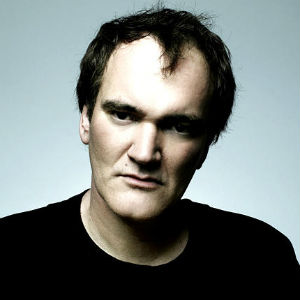
Quentin TarantinoWriters have told me that dialog is the key to a great script. Producers have paid little attention to dialog, especially since they can hire an expert dialog writer to spruce up the draft. Top selling writers pay a lot of attention to story structure and little attention to dialog.

Why the  disconnect, especially when the industry needs more writers?

Since we’ll never figure out the answer, I’d like to at least encourage writers to understand the top five things producers look for in dialog. I’ll use Quentin Tarantino for the examples, since he is one of the best writers in Hollywood with nine prestigious awards including two Oscars®.

Dialog is NOT about Telling the Story

Tarantino never tells the story through the dialog, but rather uses dialog to reveal depth within his characters. Tarantino tells the story through structure, situations and action, leaving the dialog free to enhance his characters.

Dialog is About Characters

In Pulp Fiction, the dialog revealed the interesting quirks of the lead characters, while their actions revealed that they were hardened hit men. The characters were so fascinating that the audience was willing to sit through all of the hits in order to learn more about the men.

Dialog Entertains

Tarantino toys with the audience using dialog and gets them to laugh at circumstantial humor, rather than being grossed out by the violence that is prevalent in many of his films. He is one of the few writers that can get a person who is soured by violence to laugh during a violent moment, due to his entertaining dialog.

Dialog Alludes to Subtext

D’Jango Unchained was loaded with subtext. This attribute makes an actor’s job easy and fun. It creates multiple levels of story without being spoken. In fact, actors appreciate it so much that Tarantino never seems to have a problem bringing actors back for another picture. There are two and a half dozen actors who have had roles in multiple Tarantino films including Samuel L. Jackson who performed in five of his films.

Dialog Creates Anticipation

Tarantino’s films are filled with moments of anticipation. Reservoir Dogs was the first film packed with moments that forced the audience to wonder what was going to happen next. Each subsequent film raised more questions and generated all the more anticipation. The unknown or unexpected helps heighten the anticipation.

Producers purchase scripts where the dialog is not about telling the story, but about setting up intrigue, entertaining the audience, alluding to subtext, and deepening the characters. Using dialog in any other way reduces the writer’s opportunities to sell their script.


            © 2013 by CJ Powers

 

Three Reasons for a Rewrite

RewriteA new screenwriter falls in love with his first draft because he labors over it with heart. The story resonates within the writer’s soul because of the connection made with the characters he creates. Sometimes the writer feels like he is on a roll, elevating the work to a divine level, which he thinks should never again be touched once reduced to writing.

These feelings are prevalent among first time writers, which makes it difficult for them to scrap the first draft and dive in for a second time, creating a more universally acceptable and impactful story.

If the writer is like me, he has a problem getting every important element of the story out of his head and onto the page. I sometimes find my mind filling in the gaps of missing character elements when I read the script, rather than realizing the information never made it to the page. The rewrite process helps me to cover for those missing elements.

There are three key reasons for a rewrite:

Fulfill the Vision

The rewrite process allows the writer to compare his pages to the original concept or logline. This brings the story back from possible rabbit trails and refocuses it onto the original motivation. Professional writers keep the logline or concept by their side to regularly check their work against the vision.

Solve the Problems

Scripts tend to meander when screenwriters shift from character to character, especially if he has a favorite that isn’t the protagonist. This creates a structural problem in the story that must be corrected at the base level, rather than at the dialog level. By checking the structure, theme and over all story concepts, the writer is able to fix the problems by cutting what doesn’t work.

Elevate the Quality

To elevate the quality of the screenplay, the writer must tweak the screenplay from the most important elements down to the least important. The below list is in order of importance:

  1. Story (Verify and clarify the concept, structure, plot, and theme)
  2. Character (Make lead characters special and interesting)
  3. Situation (Turn talking head scenes into interesting situations)
  4. Action (Make entertaining scenes with movement)
  5. Subtext (Create a layer of subtext)
  6. Dialog (Write character based dialog)
  7. Wordsmithing (Consolidate and tighten words used in the script)

The above elements of 1-5 give the greatest bang for the buck in achieving a great story. Elements 6 & 7 make the least amount of impact, even though most writers prefer spending their time in that arena.

By putting a workflow together that includes an analysis of the important elements, the writer is able to improve his script with every rewrite. This avoids the feeling based tangents that typically cause him to reject the needed rewrites, leaving him with a script that won’t sell or succeed financially.


© 2013 by CJ Powers


Attracting A-List Actors

A-List ActorsThere is one key element needed to attach a great A-list actor to an independent film. It was proven to work more than 150 times in 2012 and continues to work when implemented. Its only drawback is that producers rarely demand it and writers rarely develop it. But, A-list actors search for it every time they look for a great role.

A-list actors search hundreds of scripts weekly looking for a story that introduces the lead character powerfully. Hundreds have stated that the powerful and creative introduction of their character is what sold them on the script. Others are sold on how their character ends the story or in some cases how his or her character comes to an end.

Agents and writers suggest that writing a strong opening scene for the lead character is like an advertisement that will grab the A-list actor’s attention. So the key question is how do you make a great lead character introduction and win the attention of an A-list actor?

There are four things a writer can do to create a great opening scene (In order of importance):

Develop a Situation

The best introduction is to start the scene already in progress with the lead character in a challenging situation.

The introduction of the Black Widow in The Avengers opens with her petite frame tied to a chair and surrounded by big bad guys wanting to hurt her during the interrogation. Once the audience is concerned about what superhero will come to her rescue, we learn that she doesn’t have time for the activities, so she breaks free and takes out every bad guy – Revealing that she is a superhero in her own right.

Make the Initial Action Visual

A visual action immediately pulls the audience into the story with a sense of curiosity and a desire to know what will follow.

In Shakespeare in Love, the theater owner, Phillip Henslowe, is introduced screaming. He is pinioned in a chair, with his feet stuck out over the coals of a fire burning in a brazier. The character proceeds to negotiate his survival and the opening of a new play with his adversary as a partner.

Create Dialog that Reveals the Character

Great dialog reveals the personality of the character, rather than explains what is happening in the scene.

In Pulp Fiction, the two leads chatter about meaningless things while they prep their weapons and fulfill a hit. Not only does the dialog reveal their personalities, but also it is clear they are long time assassins who can take someone out with little thought or effort.

Write Simple Descriptions

Writing short, concise descriptions that quickly create great imagery.

The first draft of one screenplay took 2-3 pages to describe a rugged bar with moose heads hanging on the walls and other things that suggested it was a hangout for rednecks. The second draft reduced the description to, “The bar was a redneck’s heaven.”

A-list actors will be attracted to film projects where the script introduces the lead characters in a powerful way. These types of introductions immediately paint a visual picture in the mind of the actor, who naturally starts envisioning how he or she will play the role – They get hooked. All that is left to do is negotiate the contract.

© 2013 by CJ Powers