“Working Title” #9 – Searching for Stars

We’re still on pace for an Aug. – Nov. production schedule for “Working Title.” To make sure key actors are available, we’ve started conversations with several. I’ve found it to be an interesting experience, as many significant actors are more available and at much lower rates than in the past.

With the top studios making far less pictures (11 in 2013) and the rest coming from independent producers (440 in 2013), we have a much greater selection of name talent than ever before. We also have a greater chance of developing new unique stories, unlike the studios that focus on sequels.

Some of the name actors find it difficult to determine which film project they should sign onto. The companies with the better stories are virtually unknown, while the known commodities in the production world have quickly thrown together scripts that are sure to fail without a great performance from its star. The paradox is that actors need great stories to up their performance level.

I spoke on the phone with a name talent’s agent this week and found myself laughing at his attempt to control the conversation and the negotiation. His technique would probably work if I represented a major studio, but he had no clue how to talk to an independent filmmaker.

I’ve produced seven films outside of the Hollywood system and can tell you that playing negotiation hardball with an independent is silly, because we’ll just select a different actor and open up another dialog. Independents don’t “need” the star, just a great actor. In fact, more actors have been “found” based on their performances in independent pictures than studio films throughout history.

Negotiating with an independent is all about building a relationship and understanding their style. Those two factors can create an impressive working relationship that leads to award winning films in the festival circuit. And, the connection will show up on screen, which will increase box office revenue that the star is more likely to share in – A rare experience for studio films.

This is not to say that a certain level of credentials have to be in place in order to make things work for all involved, but it must come from both party’s looking for a win/win scenario compared to the agent who demands to be in control for the sake of his win over everyone else’s loss.

The good news is that “Working Title” continues to move forward even though we’ve changed out some of our choice actors. However, the great news is that we’ve found new talent that is actually better than our first choices. The experience has also helped us to expand our search to those who have great box office draw overseas.

With China representing 50% of the market by the time our film releases, we are happy to have started searching for Chinese talent as well. It’s our hope that an international cast with well-known actors will not only help our box office appeal, but also expand our fan base. And, since fans in 144 countries already read this blog, it fits the direction we’ve been headed for some time.

Copyright © 2013 by CJ Powers

Quest #003 – Lunch with Don Furr

Don_FurrQuest of the Nail Prints author, Don Furr, flew to Chicago last week to discuss the film and his second book Peter’s Quest. After discussing the differences between the original story and the movie version, we talked about the possibilities of combining efforts to restructure the sequel.

While this would tie the two storylines into one, versus maintaining parallel stories, it would require about a 50% rewrite for Don, who is on deadline for his sequel. There are several benefits that can surface if both storylines follow the same premise, but there are also a few negatives as well.

Creating the same storyline, allows for joint promotional dollars to expand the audience for both products, but the flip side would require Don to let go of a few creative ideas during a collaborative brainstorming session. This issue of letting go of one’s original work can be one of the most difficult things for an author to face.

Don’s storytelling abilities in the literary world have worked well for him, as he continues to receive unrequested endorsements from visible people and celebrities. However, Don has also caught on to the fact that film is a very different medium and he has loved most of the changes we’ve made in the screenplay.

A person reading both the book and the screenplay would recognize how much more visual the story became. Don’s book allows more exploration into the subtle nuances found in relationships, while the movie takes the audience on an exciting adventure of unexpected revelations.

The best part of the collaboration process is that Don and I hit it off well. We appreciated each other’s creativity and admired our shared ideas. I have no doubt that a great merging of the minds could take place for the sequel, but Don must first decide how much of his future plans he’s willing to alter to make the alignment possible.

This is not an issue of ego, as some might assume. It is all about how the two different media can tell the story. The greatest difference is that books can place the reader inside of the main character’s head, which is handled by a weaker process in film — A character thinking out loud or dialoging with another person .

On the other hand, film can quickly show subtle nuances that might take a book too long to explain, causing the pace of the story to waver. This delay might drop the reader out of the adventure. The key is figuring out what story to tell and what medium allows it to be told in the best possible way. And, what elements will work in both media.

The decision will be made within the next two weeks. In the meantime, we have plans to talk with a distributor in advance of production, and we will meet with a major retailer who wants to participate in a large promotional campaign for the DVD/Blu-Ray, book and soundtrack. This joint promotion will create 200,000,000 impressions – A very successful ad campaign. To help you with perspective, the average independent film generates 1,200,000 impressions.

Copyright © 2013 by CJ Powers

“Working Title” #8 – The Grandfather Clause

ScoutingYesterday we finished the Cast Breakdown for the Casting Director. We’re very fortunate to have found a very talented person with lots of great connections to name actors. It looks like we’ll be able to attach 3 big names and 5 familiar faces to our show based on our new shoot dates of Aug. through Oct. in 2014.

There is only one hitch.

If you’re up on the latest in entertainment news, you’ve no doubt heard about the states that are dropping their tax incentives by the end of the year – Including the federal tax credit program. This will make a 30-33% difference for the investors.

Thankfully, one of our lawyers notified us about a legal loophole that will allow us to keep the incentives and tax breaks for our 2014 shoot. To meet this grandfather clause, we have to shoot one full day of principal photography in 2013. It can’t be second unit work, but actual production work.

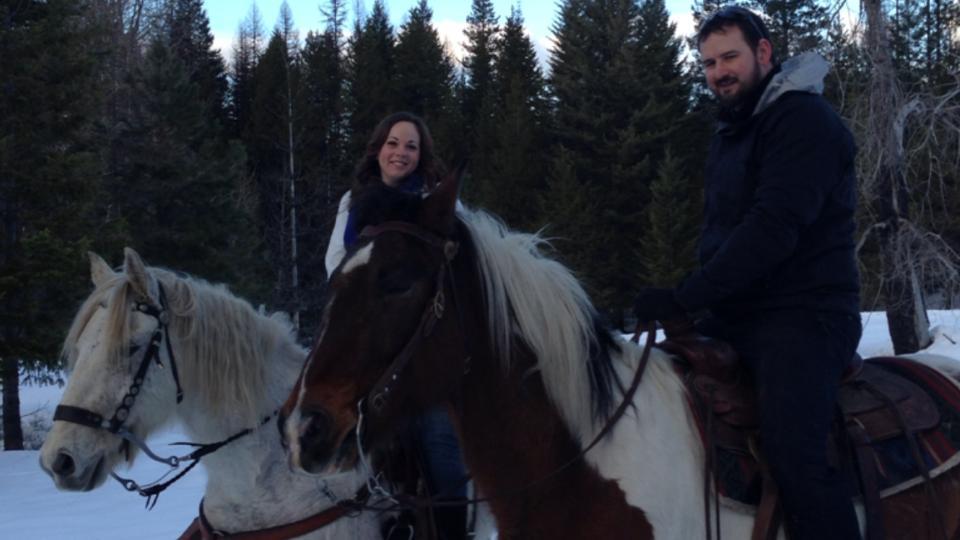
The only scenes we can shoot this December will be our winter scenes, which take place on horseback in the snow-covered mountains. To facilitate this one-day shoot, so our investors can receive the 30-33% tax break, I’ll be flying to Spokane, Washington in November. This will give me an opportunity to talk with a family that owns a ranch, where my oldest daughter rode a horse last winter.

My youngest daughter and I also found a ranch in Colorado that might work as a back up site, but they normally close during the winter. The best part of location scouting for horse riding scenes is our ability to test ride the horses and see incredible scenery – One of the perks of filmmaking.

The bad news about shooting principal photography for one day this year is the additional costs incurred to pull the team together. Instead of spending $10-15M per hour as budgeted, we’ll be spending closer to $20-25M per hour. However, we’ll save the investors from paying taxes on $1.8MM or be able to sell those tax incentive credits to another company for $0.80 on the dollar – Making back in cash about 20% of our budget.

Regardless of how we take advantage of the benefits, it makes sense to spend $250M for a day in order to cash in on the Grandfather Clause and return $1.8MM to our bottom line. Oh, the cost of money.

One thing is certain, there will be a lot of production companies shooting for a day or more before this calendar year says goodbye to the tax credits. I’m thankful we have a team of experts looking out for us and giving us the latest concerning the entertainment and film incentive tax laws.

Copyright © 2013 by CJ Powers
All rights Reserved.