Every film starts with an idea. It’s a creative idea that grows legs and moves in a direction. The direction may be logical or experiential, but it’s always fueled by passion and emotion. And, if it’s based on a universal concept, it can climb onto the silver screen or on top of an entertainment venue filled with stars.
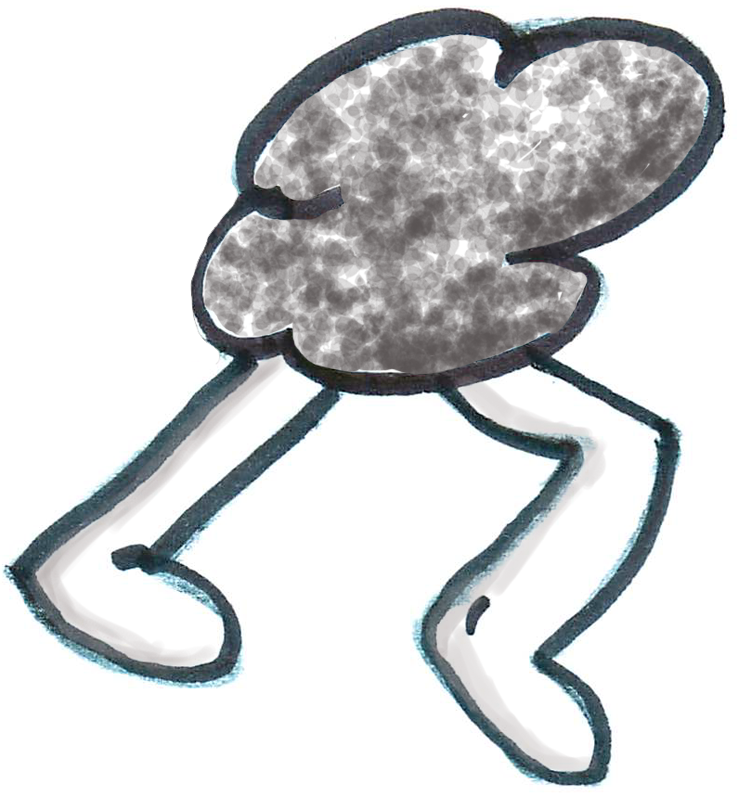 The best ideas for film are visual ideas. They are not ideas of thought from the mind, but rather the physical realm that’s filled with action and color. These ideas can be brainstormed or birthed from sketches and playtime. Every successful filmmaker has talked at one time or another about how his idea originated on a napkin.
Creativity is one of the most written topics in the world of art, but few books can capture the non-conforming activities that make an artist great. Sure they can describe think tank processes, impromptu brainstorming activities, or even suggest exercises that stimulate new perspectives. But, they can’t mentor you in the exhilarating experience birthed between two creative types that drive a positive idea to fruition.
 The closest thing to achieving this form of creative reproduction within a workforce is the Disney Imagineers. While I’d highly recommend each of their books, it still won’t stir up the creativity within your soul like your own process will.
And there is the rub.
Many creative types feel they need permission to do what it takes to be creative. Or, they slap society in the face and do anything that might shock them away from the status quo and into a new light of creation. These extremes are rarely healthy and many times incorporate vices or devices that eventually send the artist into a dark place – Some never to return.
 It’s my personal conviction that developing a movie must be physical. There needs to be pieces of paper all over my walls. My sketchbook needs random thoughts and peculiar ideas plastered all over it. The unrelated elements must be reviewed until a sense of logic is formed.
Forming the related elements into key groupings tend to force a focus that can drive a story forward. By conforming the ideas to fit the needs of the many, new creative perspectives can take hold. After all, no one has ever seen what’s been developed on the topic within my mind before. It is truly new and fresh – Just like what’s in your mind.
 The most fascinating thing that develops through this non-specific process is a style that most can see has come from me. No one would be able to conform their work to look and feel like the things that I’ve developed within my own minds eye. It’s therefore critical, at least to my expression, that I find people who can help fulfill my dream. The collaboration is a must in the world of film, especially since it’s stories culminate from the fusion of both the arts and sciences.
And, if I were so fortunate as to have the opportunity to create that new story, it would be even more exciting to see it instill certain values to the audience that I support. But, my goal is not to teach, as much as entertain. For entertainment in of itself is an excellent tool that helps people to catch ideas, rather than be taught the same.
It all starts with the simple creation of an idea, which can be practiced whenever the mood strikes. And, for the professional, whenever he logs time in his calendar. So, take a moment to create something. Pull it out of the air. Or, ask a why question that hasn’t yet been broached. But whatever it is you do, do it in the exact way that you choose.
Copyright 2013 By CJ Powers

 CJ's Corner