
Recently, there has been a move by several faith-based film companies to market its films to be something it isn’t. I picked up on the trend last winter and noticed that during this pre-Easter period several more have released films under the guise of something other than what the actual story is about.
The first time I noticed the trend was with a DVD release. The film was promoted as a redemptive story, but it wasn’t. Before I explain further, let me clarify that in the religious marketplace there are four categories of films: Christian; Faith-based; Religious; and, Redemptive. These categories were created by Hollywood to clarify the differences between the types of films within the niche market.
The list is in order of revenue potential. Studios will tell you that Christian films make the least amount of money and the investors must understand they are giving to a cause, as most of the films will never generate a return on investment. Redemptive films, on the other hand, can make anywhere from $40MM – $300+MM and generate enough profit to fund up to eight additional films by Hollywood budget standards.
The faith-based films generate $3MM – $60MM with 80% of the films closer to the $3MM mark and typically receive a follow up contract for the next film that the team desires to make. Religious films tend to generate $3MM – $60MM with 80% of the films closer to the mid $40MM range.
The first film I saw promoting itself as something it wasn’t, was a Christian film promoted as a redemptive story. The film flopped and the producers wondered why, since it was a “redemptive” story. The answer was simple – Stories aren’t redemptive just because you say it is.
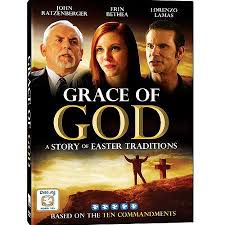 I recently received a DVD of “Grace of God: A Story of Easter Tradition,” to review. The front cover showed its stars, John Ratzenberger, Erin Bethea, and Lorenzo Lamas. I was excited to watch the film with such a great cast. Unfortunately, I was sorely disappointed.
You see, the film had nothing to do with any Easter tradition that I’m familiar with. Nor did it demonstrate God’s grace, although it was inferred. But the kicker was how little time the three big stars were in the picture. In fact, the two unnamed stars spent the majority of the picture on screen and the three power hitters spent less than 10% of the story time on screen.
Was this a bait and switch? Or, worse yet, a breaking of the advertising code of ethics based on the federal law about truth in advertising? Probably not. The three on the cover were probably promoted due to contractual agreements, but why wouldn’t you add on the two stars for the sake of truth in advertising?
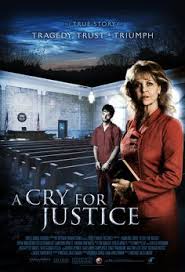 Then I saw the biggest marketing guffaw of all. “Stand Your Ground,” released to DVD with a completely opposite marketing campaign than what it used during its theatrical release. The pre-release title was “A Cry for Justice,” based on the book by the same name. It was a dark story about a mother who stood by her wrongfully arrested son as he fought for his freedom over a significant period of time.
 Since the son’s freedom was based on the “Stand Your Ground” laws, and since those laws were making the news just before the initially planned theatrical release, the film was retitled. The new title contrasted the Hollywood mantra about gun control and was not picked up by the studios. However, the picture was four-walled in theaters for a few weeks.
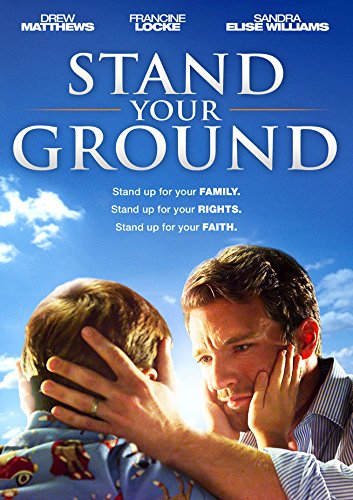 Then the DVD was promoted with a completely opposite tone, spinning the look and feel of the movie to be something it wasn’t. In fact, I don’t even remember seeing a little boy in the movie with his father, but if he’s there, it was on the screen for such a short duration that it didn’t even register with me.
“Little Boy” is another film that released a promotional trailer that I’m told has nothing to do with the actual movie. The curiosity stimulated within the audience by the trailer never gets paid off in the film. In fact, I have one friend who was disappointed that the film was nothing like what he went to the theater expecting to see. Although, he said the film had a great ending, just not the one that was set up by the trailer.
The bad news is that I can mention almost a dozen more faith-based films that are being promoted to be something it’s not. This new process that is embraced by multiple companies can only hurt the niche market, as no one will believe what the next film is supposed to really be about.
So, it begs the question – Why are faith-based companies participating in such deceitful marketing techniques? Are they ignorant? Do they blindly believe the films are about what’s being promoted?
Or, is it because there are now so many faith-based films that the level of competition has raised the standards and those lagging behind can only keep up by pretending the stories are better or at least different than they are?
Or, is it more basic than that…Did faith-based film leadership forget that they are mentors of the next generation and don’t care if their choices reflect the types of films they make?
I don’t know what the answer is, but I no longer trust films being promoted as faith-based stories. I’d rather watch redemptive films like The Blindside, Les Miserables, Gravity, Captain America and American Sniper, especially since those films are marketed to be exactly what they are – Great redemptive stories.
 CJ's Corner