Creating A Scene with Nuances and Subtext

When developing a story, the writer needs to decide what a given scene is about. Let’s say it’s about Mick (Most Important Character Know) and Sue (Subtle Undermining Evildoer), meeting in a laundry mat. Since Sue is subtle in her approach, she needs to try and win Mick’s attention one small step at a time.

Using the above thoughts, the first draft might come across like this:

Sample Subtext Scene

The sample subtext scene accomplishes our goal of having Sue subtly approach Mick one step at a time. If she were to come out and say let’s have some fun tonight, he wouldn’t have any interest. But, the subtle approach allowed Sue to test Mick’s perception of his marriage and how soon he might consider trading in for another model.

The scene is also loaded with symbolism and visuals. Since the best scenes are those that live up to the saying, “show, don’t tell,” the scene plays out well cinematically and subtly. This technique also speaks well to subtext.

The below includes the real unspoken story in brackets:

Scene Explained

Sometimes it’s good to write the subtext to make sure the scene plays the way it was designed. This can help the writer quickly tweak the story or the subtext that each phrase generates.

In the above scene, we see Mick struggling with his dull life. This is followed by an emotional shift, which leaves Mick filled with the possibilities of being lifted out of his quagmire. The audience now knows that Mick isn’t where he wants to be and is tempted by the possibility of change. We also know that his need for change is greater than the pain of change.

With one simple scene built with nuances and subtext, the audience has learned more about Mick than their childhood neighbors. They have also picked up on the question that was embedded into the scene: Will Mick give in to Sue’s promises for a better life or stay true to his marriage?

By raising a question at the end of the scene, the audience is compelled to watch more of the movie until he or she gets the answer. They need to know if he is a moral man or one who will do anything to get ahead. This also causes the audience to become invested in Mick and may even push him or her to cheer Mick on by the third act.

The power of nuances salted into a scene with subtext driving the story, makes for an interesting and entertaining scene. And, by adding in conflict, which in this case is Sue’s goal for a man who is already married, can up the stakes and increase the audiences’ interest in the rest of the film.

Here is the same scene written by a beginning screenwriter, which lacks nuances and subtext:

Scene Beginning Screenwriter

In this version, the same key elements are in place, but it carries a very different tone. While the audience will still get the point, it won’t drive their desire to see the rest of the film. Nor will it cause the audience to become invested in Mick.

The scene plays flat because it is. The only fix is to heighten the emotions and raise the question. However, those things can only be done successfully using nuances and subtext.


Copyright © 2013 By CJ Powers

Creating the Idea!

Every film starts with an idea. It’s a creative idea that grows legs and moves in a direction. The direction may be logical or experiential, but it’s always fueled by passion and emotion. And, if it’s based on a universal concept, it can climb onto the silver screen or on top of an entertainment venue filled with stars.

Creative IdeasThe best ideas for film are visual ideas. They are not ideas of thought from the mind, but rather the physical realm that’s filled with action and color. These ideas can be brainstormed or birthed from sketches and playtime. Every successful filmmaker has talked at one time or another about how his idea originated on a napkin.

Creativity is one of the most written topics in the world of art, but few books can capture the non-conforming activities that make an artist great. Sure they can describe think tank processes, impromptu brainstorming activities, or even suggest exercises that stimulate new perspectives. But, they can’t mentor you in the exhilarating experience birthed between two creative types that drive a positive idea to fruition.

ImagineeringThe closest thing to achieving this form of creative reproduction within a workforce is the Disney Imagineers.  While I’d highly recommend each of their books, it still won’t stir up the creativity within your soul like your own process will.

And there is the rub.

Many creative types feel they need permission to do what it takes to be creative. Or, they slap society in the face and do anything that might shock them away from the status quo and into a new light of creation. These extremes are rarely healthy and many times incorporate vices or devices that eventually send the artist into a dark place – Some never to return.

CreativeIt’s my personal conviction that developing a movie must be physical. There needs to be pieces of paper all over my walls. My sketchbook needs random thoughts and peculiar ideas plastered all over it. The unrelated elements must be reviewed until a sense of logic is formed.

Forming the related elements into key groupings tend to force a focus that can drive a story forward. By conforming the ideas to fit the needs of the many, new creative perspectives can take hold. After all, no one has ever seen what’s been developed on the topic within my mind before. It is truly new and fresh – Just like what’s in your mind.

Idea LeadershipThe most fascinating thing that develops through this non-specific process is a style that most can see has come from me. No one would be able to conform their work to look and feel like the things that I’ve developed within my own minds eye. It’s therefore critical, at least to my expression, that I find people who can help fulfill my dream. The collaboration is a must in the world of film, especially since it’s stories culminate from the fusion of both the arts and sciences.

And, if I were so fortunate as to have the opportunity to create that new story, it would be even more exciting to see it instill certain values to the audience that I support. But, my goal is not to teach, as much as entertain. For entertainment in of itself is an excellent tool that helps people to catch ideas, rather than be taught the same.

It all starts with the simple creation of an idea, which can be practiced whenever the mood strikes. And, for the professional, whenever he logs time in his calendar. So, take a moment to create something. Pull it out of the air. Or, ask a why question that hasn’t yet been broached. But whatever it is you do, do it in the exact way that you choose.

Copyright 2013 By CJ Powers


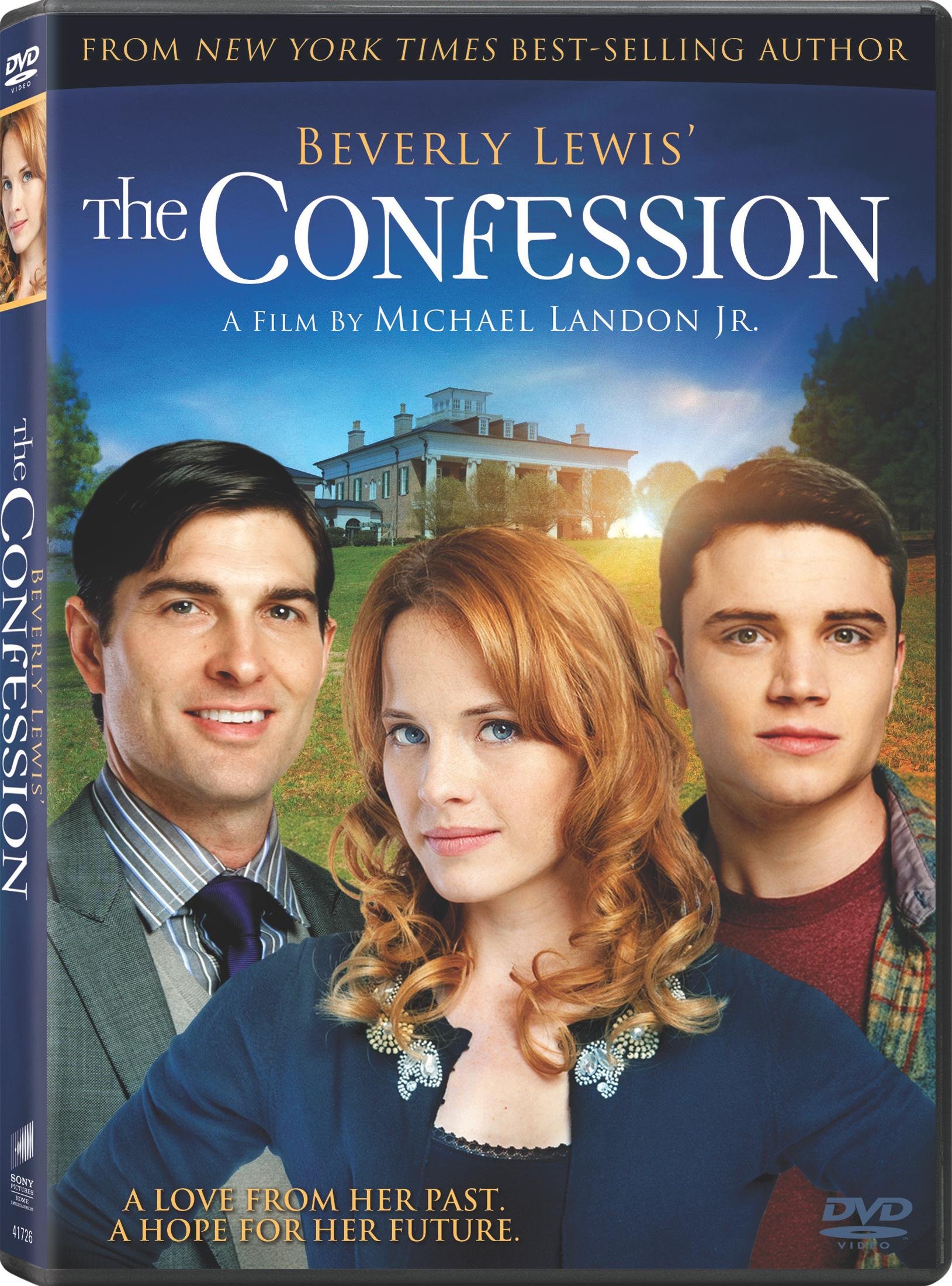
The Confession – Review

The Confessions DVDThe team of Michael Landon Jr. and Brad Bird turned another Beverly Lewis masterpiece into a solid family film. While this sequel is a bit sappier than The Shunning, it holds well to its own style of monetary excess compared to the humble Amish tones set in the first film.

The Confession is the continuing saga of Katie Lapp, a young Amish woman who seeks out her biological mother (Sherry Stringfield of ER fame). In her journey, she finds herself a part of a mysterious con set to take her dying mother’s great wealth from the foundation she has established to better society. Before Katie is able to reveal her true self to her mother, the mystery must be solved and the culprits dealt with.

Katie Lapp is played by Katie Leclerc (Switched at Birth). Her performance is outstanding, as her character uses her mother’s imparted wisdom to avoid being played by the cons, while struggling to understand the life of “Englishers.” This balance kept the story interesting, as scenes would shift from moments of intrigue, to love, to surprise.

Katie-Leclerc-The-ConfessionLandon did a great job directing the story, which fits his magical yesteryear touch and style. Using the story’s con game, Landon took advantage of the opportunity by exploring more facets of each character.  The result is the revelation of an unconditional love, as Katie is looked after by an “unknown” visitor – A cousin she doesn’t have.

The ending is of no surprise to Lewis fans, but it’s missing the same edge as the rest of the film. It just seems to unfold with little intrigue, as the revelation moment plays a bit flat. I couldn’t tell if the story just dropped out for a pinch, or if the editing was adjusted to meet the Hallmark Channel time constraints.

However, this film over all is a step up from The Shunning and is self-contained enough for those who missed the first film. Leclerc’s performance is worth the price of the DVD and the love mystery surrounding the “unknown” visitor is done well enough that I’m looking forward to the next installment.

Disclosure of Material Connection: I received one or more of the products or services mentioned above for free in hopes that I would mention it on my blog. Regardless, I only recommend products or services I use personally and believe will be good for my readers. I am disclosing this in accordance with the Federal Trade Commission’s 16 CFR, Part 255: “Guides Concerning the Use of Endorsements and Testimonials in Advertising.