Getting Captain Action to Safety

I was undercover, as much as a grade schooler could be. My grandma didn’t notice me slip upstairs to my bedroom. She was too busy spending time with my sister on a sewing project. But it didn’t matter. I had received a secret assignment from an invisible branch of the government known as the Action Alliance. It was my job to get Captain America past the canyon and to the new flight port behind our rickety garage.
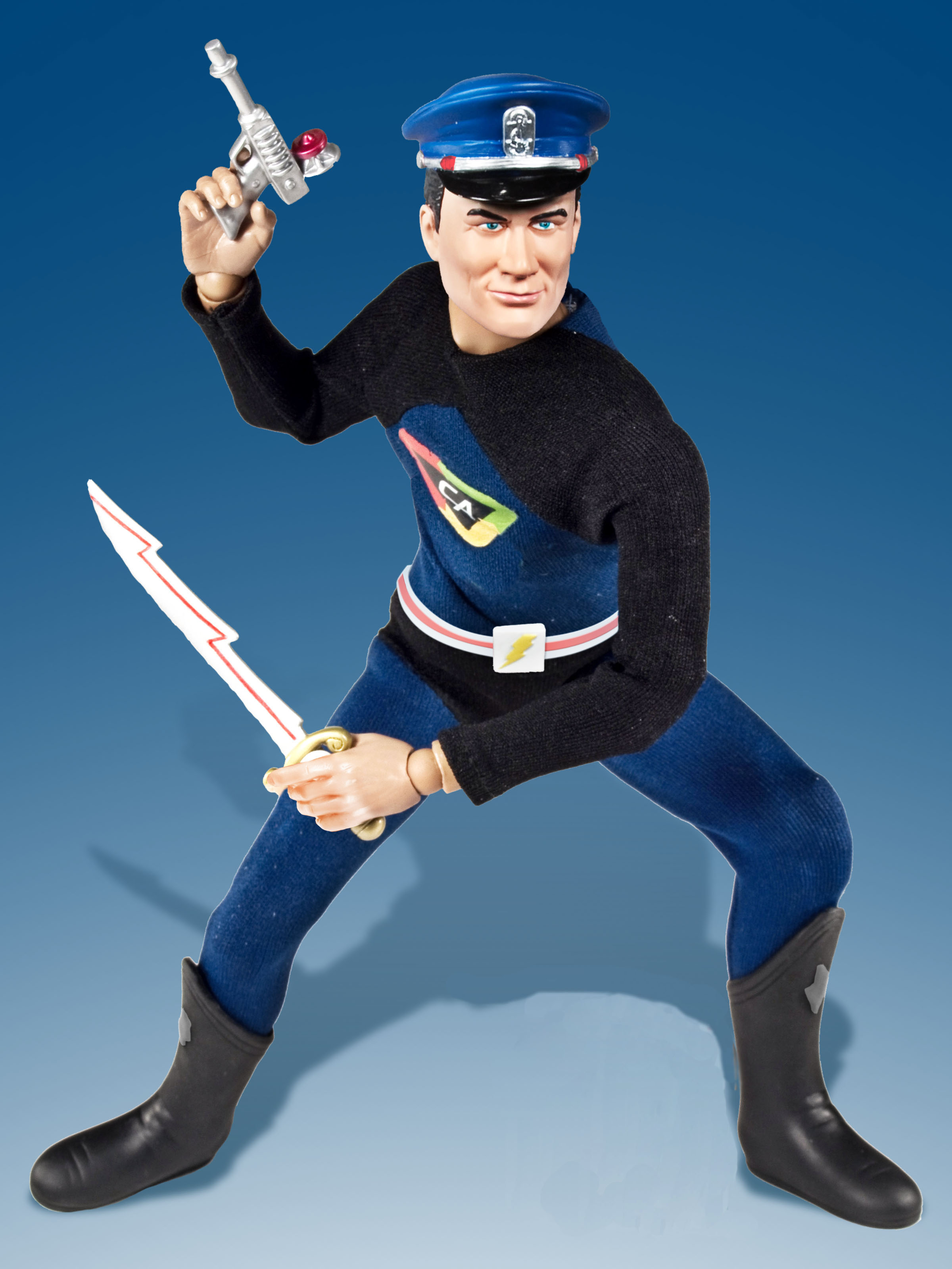
Captain Action ToyWith my Captain America toy in hand, I proceeded to open my second story bedroom window and climb out. I had seen workers on our roof before and knew that I just had to be careful with my footing to avoid falling off. I wasn’t afraid, as my new sneakers would grip the shingles and keep me safe.

The roof was steeper than it looked from the ground so I had to lean toward the peak of the roof as I climbed. I was startled when Mrs. Williams shouted with panic in her voice, “Get down from that roof or I’ll call the police!” My heart raced. Fear shot through my veins. I was petrified, well, that was until I realized that if I moved to the end of the roof I would be able to see the entire back yard from a bird’s eye perspective.

The view was incredible at 35 feet.

I checked the parachute on Captain America and tossed him high into the air out over the backyard. The Captain peaked from my toss and started to fall, forcing the parachute to pop open. The sight was amazingly beautiful, as I watched the Captain slowly drift down into the yard. Once he landed I headed back to my bedroom window.

By the time I got downstairs I could hear my grandma talking with Mrs. Williams at the back door. I moved to the kitchen and tried to figure out who was winning the argument. Mrs. Williams saw me and glared. She was satisfied that I was off of the roof and headed home.

Grandma turned to me and asked, “What kind of trouble have you been getting into?”

I shrugged my shoulders and headed into the backyard to play. The Captain had landed within a few feet of the new flight port, so I picked him up and wrapped the parachute for another jump. I climbed on top of the garbage cans and then shimmied onto the garage roof.

The roof was less stable than the house since the garage was on an angle. My dad suggested at dinner a few days earlier that it would soon fall over. But for me, it was the perfect launch point to toss Captain high into the air and watch the chute pop open for another successful mission. The Captain landed perfectly in the sandbox, which was next to the flight port.

It didn’t take long for the Action Alliance to congratulate me on getting Captain back safely. He had just completed an intelligence mission tracking the notorious Chet Dagon, super lord of the evil swazitey empire. I knew that a call would come requesting my expertise in the near future, but for the time being I headed into the kitchen for some milk and cookies

 Copyright © 2013 by CJ Powers
 

The Director’s Notebook

Director notebooks look significantly different, as it typically reflects their vision and style for a given story. Notebooks can be physically made up of a set of three ring notebooks, a single sketchbook, a diary type book, a digital book, or any combination that allows the director to capture and easily get at his ideas for the film’s look and feel.

Film DirectorNotebooks typically hold certain information regardless of the director’s taste. Software packages exist that help the director create a digital notebook. Unfortunately, the digital books lack templates or forms for many things that a director needs to capture.

Regardless of style, creativity and inspiration, most directors’ notebooks hold information to meet the director’s requirements for casting his vision to each department head. Many directors add the department heads’ notes and illustrations to their notebook as they become available.

The notebooks typically include the following sections in no particular order:

  1. Script: (All Department Heads and Principals) Some directors use a master script marked for shooting, while others use a shooting script. Regardless of the markings, it is important for the director to talk through the script with his department heads to transfer his complete artistic vision and notes.
  2. Development or Director Sheets: (Director’s Eyes only) This sheet includes any key elements a director may need during the shoot when working with talent. Many directors mark these notes directly on the script rather than having a separate sheet. The content is broken down by scene and includes: Through Line, Motivation, Entrances, Literary Devices, etc. It also includes motivational verbs of varying strengths to help the actors increase or decrease the intensity of their performance.
  3. Beat Sheet: (Director’s Eyes only) This sheet includes the breakdown of the story’s beats, turning points, emotional charting and story conflicts. These elements help the director to focus on the actors’ performance and each character’s shift in power.
  4. Character Sheets: (Casting Director) This sheet spells out the key characteristics, age, and other elements necessary for the Casting Director to filter down potential actors for the director’s selection.
  5. Character Development Sheets: (Production Designer, Costume Designer, Hair Stylist and Make-Up Artist) Descriptions, thumbnail sketches or photos of the director’s ideas that reflect the look and feel of each character including physical stature and appearance, clothing, make-up and hair style.
  6. Action Props & Vehicles Sheets: (Production Designer and Property Master) Descriptions, thumbnail sketches or photos of the director’s ideas that reflect the vehicles and props including how it is used.
  7. Set Design Sheets: (Production Designer, Set Designer and Set Decorator) Descriptions, thumbnail sketches and photos of set ideas that reflect the look and feel of the set are included.
  8. Shot Lists: (Director of Photography) For some directors the shot list is nothing more than an actual list of shots per scene. Other directors embed their shots into the script using the same markings as the Continuity Supervisor. Most directors add blocking diagrams and set-up cards showing the actor’s movement and the camera positions that match the shot list.
  9. Lighting Notes: (Gaffer, Director of Photography and Production Designer) These notes are limited, but give a good sense to the team in advance for altering blue prints or designing set-ups to conform to the imagery and mood of the director’s vision.
  10. Physical Effects & Stunt Sheets: (Special Effects Supervisor and Stunt Coordinator) These sheets typically include the visual outcome the director seeks and the story elements leading up to the moment. This is all discussed in advance in case set alterations or camera equipment will be impacted by the functional operation decisions.
  11. Contracts: (Production Manager and Line Producer) Having a set of contracts on hand quickly reduces arguments and helps the director, production manager and 1st AD determine appropriate overtime if needed.
  12. Script Breakdown: (1st AD, 2nd AD and Production Manager) The Script Breakdown determines workload and helps the team create schedules for cast, crew, vehicles, props, wardrobe, etc.
  13. Location Sheets: (Location Scout and Location Manager) This includes location contracts, contact information, location photos, nearby hotels, etc.
  14. Production Sound: (Sound Mixer) This list covers the ambient and unique sounds required by the story. The more locations sounds captured, the less foley work will be required in post.
  15. Editorial: (Film Editor) While the editor gets the Continuity Supervisor’s notes, the director still needs to share his vision for how he sees the story coming together.
  16. Visual Effects Sheet: (Visual Effects Producer/Creative Director) Storyboards tend to fill in these pages to provide discussion on technical requirements in production including the shooting of background plates and matte work.
  17. Sound/Music Sheets: (Sound Designer) This sheet includes a list of critical sounds and music samples that reflect the style and mood the director desires to capture for each scene.

The most productive directors use notebooks to save time and money. Flipping to a certain page is much faster than trying to remember all the details of every scene. Some directors only use the notebook during prep time the night before a shoot or when in meetings with department heads, while others keep it with them on the set for last second decisions. In either case, the notebook is the production bible for the film.

Copyright © 2013 by CJ Powers
Photo © 168stock – Fotolia.com

A Good Day to Die Hard – Review

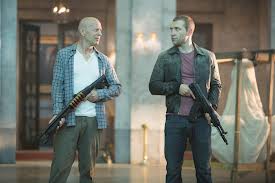
Bruce Willis’ character, John McClane, in the first few Die Hard movies was charming, ingenious, funny, and heroic. However, in this latest franchise installment, Willis focuses more on trying to hand the franchise off to Jai Courtney who plays John’s son John, although he goes by Jack until they reconcile their differences by shooting all the bad guys and blowing lots of stuff up – Your typical heroic father/son bonding experience.

A Good Day to Die Hard - ReviewIf you go to the movie to see a lot of action, this film is just for you. However, if you go to see the famous John McClane stumble upon something fishy, explore it, uncover a sinister plot that requires him to get help from locals that he befriends, and some how single handedly takes down the uber bad guy, while saving America, it sadly doesn’t quiet play out like the other successful Die Hard films. But again, if you’re going for the action, the film won’t disappoint.

The original McClane seemed to be developed by Willis from his hit TV series character in Moonlighting, but with a cynical edge and element of brilliant gut reflexes when things hit the fan. The writer in this latest release some how lost track of the things that made McClane unique to watch, instead he created a character set in his ways and stodgy.

Father and Son - Die Hard 5This is where you have to suspend disbelief. Picture a stodgy guy in his 50s jumping through windows and falling numerous stories, breaking through roofs, scaffolding, and glass ceilings, then landing hard on the floor, followed by getting up and realizing his young muscular son couldn’t hack the fall and has a piece of steel sticking out of his gut. And I didn’t even mention the ride through a plastic debris chute, while being shot apart by military helicopter machine guns.

The bottom line is that the film is a great action ride for anyone in the mood, while being a huge disappointment for McClane fans. It was almost as if the writer, in attempting to stay true to the franchise, picked a good 80s (When Die Hard first released) story and modernized it, but forgot the importance of character development.

Red 2Of course, it might not be the writer’s fault. It might be, although I doubt it, that Willis is just tired of the character and gives a detached or disinterested performance of the great McClane character because he’d prefer to play a more contemporary character like Frank Moses from Red – Especially since he owns that franchise and its sequel. Red 2: The Best Never Rest is due out August 2, 2013 staring a great cast including Bruce Willis, Anthony Hopkins and Catherine-Zeta Jones to name a few.