 Creativity is the one thing that brings everyone happiness. It founded our world and it created what many call the “happiest place on earth”—Walt Disney World. Unlike joy, which is eternal, happiness is fleeting at best. It comes and goes in the moment and can seldom be reenacted with the same level of enthusiasm that it originates.
For the creative soul, or the creator, the release of art is more precarious than most would think. Stepping out fully vulnerable with a creative performance, concept, or product can cause the recipient of a mediocre response to feel embarrassed. The newfound boldness of the audience can bring great praise or a debilitating embarrassment capable of shutting down a vulnerable heart.
Creatives need to protect their heart, yet remain open for their creativity to be successful. While that notion sounds like an oxymoron, creatives will always find someone to hate their work. They will also find someone who admires it. This makes the protection of the heart difficult.
The only way for a creative to protect his heart is to learn from the experts. While this is true in all fields, the entertainment industry seldom employs experts to help a creative get to the next level. All too often the creative person is seen as an end unto themselves and not as one key factor among others who collaborate in a successful product launch.
I was fortunate to have a professional actor as a next door neighbor when I was growing up. We produced numerous plays in his garage for families living on the block. While it seemed to be a hobby for the girls, every guy that participated in the plays went professional later in life.
My good fortune continued in high school when I had great phone conversations about directing with Ken Burns and Ron Howard. I also had a theatre coach that developed shows during the summer at Disney in Orlando. He took me under his wings and taught me a lot about the collaborative process. I was thrilled to be mentored by a pro.
Those who submit themselves to a mentoring process find their skills excel beyond the average creative. The most important reason is the additional confidence created from the relationship. However, for those who can’t seek out a mentor, there are four steps that can be taken to instill a similar affect of growth and confidence building.
STEP 1: Find the current expert in the field that can supply a solution to the creative problem. If we are confident that a particular person has what it takes to solve the dilemma, by researching that person and the steps they took to arrive as a master, it’s possible to shift our perspective in parallel to brainstorm solutions.
STEP 2: Mimic the master. Learning from a master includes the understanding of his perspective, style and panache. By trying these behaviors on, our mindset will change and give us ample opportunity to see things from a new perspective and energize our creativity.
STEP 3: Follow the expert’s methodology. All professional creatives have a process they follow for the sake of speed and profitability. The standards were proven and later developed into a process over time. By reenacting the process or using a version of it, the creative can open his mind to new opportunities and solutions.
STEP 4: Seek the risky solution. Creativity is at its best when we’re on the edge of what we’re comfortable producing. During the times we stretch ourselves to be competitive with the expert, we force ourselves to a higher level of performance. These moments that balance on the proverbial fence between creativity and embarrassment drive success to an all time new high.
The key to learning from others is realizing the difference between a great idea and one that was polished by a pro. Those who must hold fast to their ideas and won’t consider other perspectives are doomed to a short creative lifestyle. But those who consider various pieces offered by other professional creatives can polish off the bulk of their idea with experience, which will be evident in the final product.
No creative wants another to change his idea, but the good ones will allow the pro to improve his idea. Sometimes a simple sentence from a mentor can change the entire tone of a product to something more suitable for a different generation. The comraderie alone is of great value, but the output of the relationship will be impressive—Giving rise to confidence, not embarrassment.
Copyright © 2016 by CJ Powers
 I recently learned a new game from an administrator at Disney. When she has a long hard day, she likes to do something out of the ordinary. She likes to stretch her creative juices and explore story from a new standpoint on the fly. Playing a simple game with those riding in her carpool exercises her creativity.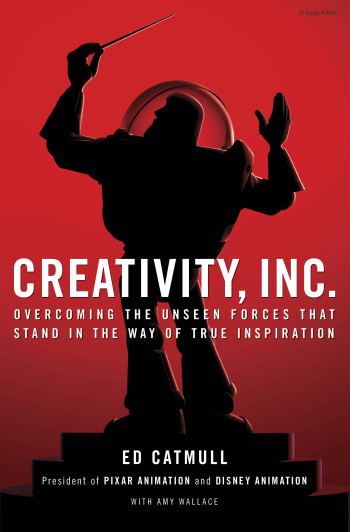
 CJ's Corner