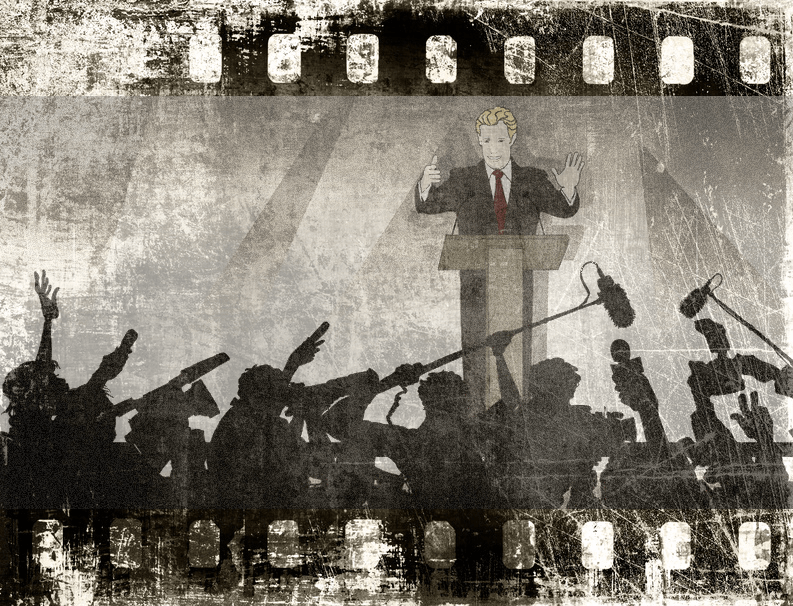
When I first met the spy, I thought he was kidding about his occupation. However, his explanations were plausible, so I listened further. It wasn’t until he started teaching me how to escape from a populated area that I knew he was telling the truth. Well, that is except for his name. I’m certain the personal information he shared was not real.
The best way to escape from any arduous state of affairs is to plan alternative routes in advance of a dicey situation. The preplanning process must be nonchalant and atypical of the most efficient route that we all conform to over time. This is true within the creative world, which helped me relate the need to escape with high-pressured creative sessions.
Here are the three spy lessons that have helped my creativity.
TURN RIGHT, NOT LEFT
To draw from your creative instincts during intense circumstances is like the spy who has to shift to his plan “B.” The man told me the first step in creating an alternate route is to turn right at your normal first left turn. This sends you in the opposite direction and forces you to make new decisions in developing a B-route.
During a creative session, at the first observable moment that a story beat is supposed to happen, its time to turn right into a new creative perspective. Coming up with a completely unexpected turning point in a story propels the characters into a mode of exploration. Further development is required to determine what direction or next step they must follow to survive.
Spies like unexpected twists in circumstances since few can guess what their next move might be. Only the well-prepared plan-B can help the spy survive the new reality as it unfolds, losing those who attempt to follow. Due diligence during the exploration phase will empower the spy to move quickly during the execution of the plan.
The search for new routes or creative viewpoints forces us to be alert. We are no longer able to function on autopilot, which helps us to avoid traps hidden within our customary creative reserves. When we lose the ability to rely on our habits to get by, we’re forced to innovate and keep one step ahead of the audience.
SKETCH NOTE NEW SURROUNDINGS
The spy told me to turn right and drive for a block or two, then pullover and sketch note everything I observe. The notes would be like a location scouting report with enough picture detail for strategic planning. Once the sketches are complete, he suggested I drive a couple more blocks, stop and repeat the process.
It was also important to figure out what the common next step might be for the average thinker and establish an unexpected action. This choice would then lead me down a new road for a couple of blocks. I’d then pull over and sketch again. Capturing every detail helps the spy during rapid escapes, and helps me during intense creative sessions.
WORK PLAN “C”, “D”, AND “E”
When on the run, spies know their pursuer is trying to out guess their every move to get two steps ahead of them. Those with great manpower throw several agents against the half-dozen possibilities with the hope that one will capture the spy or at least learn his next steps.
In the creative world, there are always a few in the audience who try to figure out where the story is headed before it gets there. I’m one of those who can usually guess the ending ten minutes into the film. Few movies startle me with interesting plot points that captivate my attention with surprise. When a director has multiple plans to draw from the audience is typically amazed at the new and fresh ending.
Pixar is known for brainstorming a dozen endings and then throwing them away for the sake of coming up with that one new idea no one thought about. Their productions take extra time to develop because they don’t want anything to seem old. They work every possible plan until they find the one that stirs the audience with both delight and surprise.
Meeting the spy gave me some interesting viewpoints to consider within my realm of communication and creativity. I even learned how to back into parking spaces for quick get-a-ways. But, there was one other thing I learned from the spy that bothered me. He said, “And whatever you do, don’t trust anything a spy says because he’s probably using you as a disposable asset in the moment.”
As the man disappeared from my sight, I realized that he might have lied about being a spy. And if he did lie, could I trust what he taught me? Certainly if he had told the truth, it was clear that I couldn’t trust a single word he had shared. Hmm, maybe the lessons in today’s blog aren’t lessons at all.
Copyright © 2016 by CJ Powers
 Sophisticated audiences and new filmmakers eventually learn that they need to know how to “read” a film. It’s a technique used by artists that understand the significance of cinema—not TV, video or streaming, but CINEMA.