There are seven controversial issues within our film that need to be kept confidential and protected prior to the film’s release. This level of secrecy will help us leverage the controversy for free publicity once the film releases. Unfortunately, it’s very difficult to keep everything under wraps in our electronic world where a simple tweet can get to millions of people within the hour.
To help us protect the Working Title’s intellectual property, my producer and I chatted with several lawyers. We wanted to find one that was excellent. We also hoped to find someone we could trust. Okay, now’s not the time for lawyer jokes.
My first call went to William Morris Endeavor. I had used them on several film projects earlier in my career when they were the William Morris Agency. I learned that when the company reorganized, the attorney I worked with retired and did not pass on any of his accounts. This meant starting from scratch.
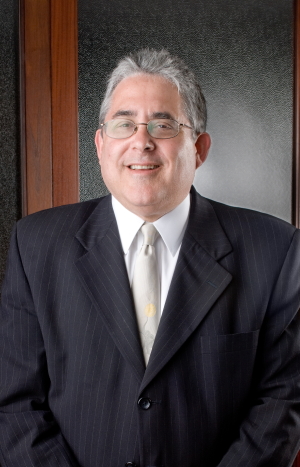 I met Hal “Corky” Kessler at a conference and started chatting with him about our film. He has a high degree of knowledge in film law, the new tax laws, and foreign distribution pre-sales markets. We took the conversation off line to discuss possibilities of working together. He seemed very familiar to me, so when I got back to the office I looked through some old records and found that I had worked with him on a project years ago – It’s a small industry.
Corky is based in Chicago (Yes, he’s done projects with Oprah) and has worked on 40 plus features with names like Russell Crowe, Robin Williams, Howie Mandel, Rob Reiner, Martin Mull, Jim Carrey, Dana Carvey, Lili Tomlin, Sara Silverman, Bonnie Hunt, John Carpenter, Timothy Hutton, etc. He has worked for screenwriters, directors, producers and executive producers on features including Steel Magnolias, Driving Miss Daisy, and The Sum of Us (winner of the Australian Academy Award for Best Film).
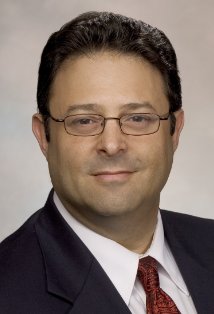 I had also bumped into attorney Emerson R. Marks at a film conference in Texas. I believe my producer bumped into Bennet Fidlow at a film conference in Florida or Colorado. Both men are entertainment attorneys from the same firm in Virginia – Handling the growing hot bed of independent productions in Virginia, the Carolinas and Georgia.
Bennett has worked with a long line of industry names during his time at Columbia, Tristar, MGM, United Artists, Orion, Goldwyn, Sony, Miramax, Screen Gems, Republic Pictures, Universal, NBC, Warner Brothers TV, Fox Family, and Fox Cable, to name a few.
It became clear that Corky’s expertise was in foreign pre-sales and state tax credit laws and Bennett’s was in talent acquisition and production operations. Bennett quickly introduced us to others on his team who specialized in offering memorandums and corporate structures that are conducive for investors.
Everyone we talked with was on board about keeping the controversies quiet, except for me. Well, not exactly. I definitely want to keep most of it a secret, except for the information I plan to leak in up coming blogs. After all, my readers deserve some extra insight.


 CJ's Corner