10 Directing Techniques that Raise a Film’s Quality (Part 2)

This is part 2 of the techniques a director uses to avoid the nightmare that generates lower quality films. Every filmmaker can improve his preparation and therefore the quality of his film by practicing these techniques.

6. Draw Blocking Diagram

Visualizing the shoot is important to the planning process and quickly separates the experienced from the amateur. Sketching out the talent’s blocking gives a director immediate control of the set. However, directors use blocking diagrams as a flexible tool based on collaboration with the talent.

I typically use 3X5 cards or Shot Designer software for blocking diagrams. Shot Designer is ideal for showing the talent a complex action or movement. While it’s not at the level of previsualization software, it gives a great bird’s eye view of movement.

7. Mark Shots

Notating a script for shots and coverage is a great tool for considering multiple perspectives. Most directors use similar markings to that of a continuity supervisor. This includes the shot, duration, cutaways, and specialty gear.

The markings help me to see immediate patterns emerging within a film. This alerts me to story elements that demand a more creative approach. It also gives me insight into what can be dropped should an under funded shoot start to run long.

8. Determine Set-ups and Camera Movement

Camera Setup 001In a similar fashion to a blocking diagram, directors draw up ideal camera positions and mark the desired movements for track and dolly shots. These ideas can then be discussed with the director of photography and the production designer to validate the practicality of each shot.

I typically use 3X5 cards or Shot Designer software for camera set-ups and movement. I’ll also use a large sheet of butcher paper to create a chart shared with the crew on projects with fast and numerous set-ups. Shot Designer is my medium of choice for complicated moving shots, as the movement of characters and cameras can be animated for on set playback.

9. Make Shot List

Once the director of photography (DP) understands the director’s vision, the desired camera shots need to be listed in shoot order. The camera department always appreciates a detailed list that includes specialty gear and lens choices. While this list is typically made in collaboration, it’s a great skill for directors to work in prep.

The smaller the shoot the less likely I am to prep a list for the DP. Not because its not needed, but because smaller shoots don’t have a person on the camera team to reference it during the shoot. Typically the director or assistant director will chat with the DP before each set-up to make sure everyone is on the same page. However, the more complex the shoot, the great the need for the list, especially when using second unit teams.

10. Journal Directing Process

The greatest tool that a professional director has is his journal. It allows him to take notes on actors, crewmembers and story ideas throughout the shoot. It’s also a great reference in remembering what worked and didn’t work for the sake of future films.

I’ve found that journaling is the only method that is profitable in determining how to fix temporary problems with the shoot. It’s a brainstorming board during difficult times and a canvas to express art during the great times. It also helps the director get a feel for his own behavior on set, so he might be able to create a set in which everyone desires to return.

I selected the above ten items out of the 100 plus skills because every Oscar worthy director that I’ve spoken to has used these tools religiously. Also, every director that I’ve talked to that has made bad films did not use these tools. That makes the list a differentiator for me and I hope future directors take the list to heart and practice often.

See previous post (Part 1)

Copyright © 2015 by CJ Powers

10 Directing Techniques that Raise a Film’s Quality (Part 1)

There are over 100 documented techniques that directors develop to master their craft. Independent filmmakers have little patience to develop the skills that delay gratification. This lack of preparation causes poorly managed shoots, fewer artistic choices, bad acting and less coverage.

To avoid the nightmare that generates lower quality films, every filmmaker can improve his preparation by practicing ten directing techniques.

1. Search for Great Stories

There are seven steps to determine if a script is worth shooting. All seven are a part of analyzing the story. By reading a lot of scripts and working through the process of determining which ones are great stories, the director will be able to quickly spot flaws in the next script handed to him for consideration. He will also be able to determine if the flaw can be fixed or if the story should be pitched.

I read and conduct a partial to full analysis on 2-3 stories a month to keep my chops up. This means I read 2-3 stories a week to find the ones worth analyzing. It doesn’t take more than 3-10 pages of reading to know if the story is worth finishing. Those that are worth a full read are considered for analysis.

2. Breakdown Set Pieces

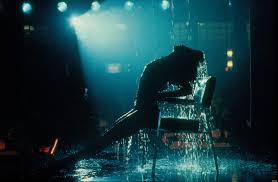
FlashdanceSet pieces are scenes that are designed to have an obvious imposing effect on the audience. They are iconic to the story and many times become culturally iconic. The mere mention of fire trails or light sabers reminds us of Back to the Future and Star Wars. Or, for those who don’t like sci-fi, think about the horse head in bed and a dancer being doused with water, which reminds us of The Godfather and Flashdance.

By finding the 3-8 set pieces in the story, a director can use those scenes to practice the remaining skills. When I first started breaking down set pieces, it took me 45-60 minutes per scene to understand what made those scenes pop. Now, I can find the iconic building blocks within a few minutes per scene.

3. Mark Story Beats

Every script has story beats. Some beats are obvious and some are clouded by subplots or old beats that were never taken out of a previous draft. Some systems recommend 7 beats, others 8, 12, 14, 16, 17, 23, 28, and 32. Each genre tends to have its own rules of beat placement and writing systems. For instance, both the myth and hero processes place varying emotional levels of beats into the story structure.

Marking all the story structure beats within the script gives the director a clear understanding of the story structure, pace, and distortions. Every year I download all Oscar nominated screenplays and search for the beat structure within each story. Patterns within genres and between screenwriters become evident and increase my speed and ability to spot key story elements that must be treated with high importance during a shoot.

4. Mark Entrances, Exits and Power Changes

Well-written screenplays have a shift in power between characters several times within any given scene. Marking each character’s entrances/exits and power shifts, breaks the scene into manageable parts. It also gives the director insight into segmenting the shoot for the greatest on screen emotional impact.

I’ve found that by marking scenes according to the exchange of power, I can instantly tell if the scene will entertain or fall flat. I’ve also found that most scenes that belong in a story, yet are flat, typically have a central element that will play better if the scene is rewritten using subtext. And, those flat scenes that are empty I cut from the story.

5. Notate Verbs for Motivation

With every power shift within a scene the talent needs a new motivation for her character. The best way to inspire the talent is to have a verb ready to suggest the motivation. The verb can be written on the script page with a stronger and weaker verb for back up.

When I’ve suggested to the talent that her character needs to “influence,” I can turn to my back up verbs if she plays it too big or small. For instance, if she plays “influence” too big I can suggest her character needs to “urge,” or if she plays it too small I can suggest she needs to “incite.” By listing all three words on the page, I have immediate tools available for altering a performance should I need it.

To be continued in (Part 2)

Copyright © 2015 by CJ Powers

Finding Your Style

Social media requires branding to successfully promote a product (film) or person (director). The packaging of the brand comes from the artist’s style, which he or she might not understand. Style is the essence of who the person is professionally as displayed over the long haul of a career (or season, in the case of those who rebrand or reinvent themselves).

Last Friday, I bumped into two young people who were talking about their future from a sterile vantage point. The black man talked about rising above his blue-collar job to management and the white woman shared how she positioned herself with her B.S. and Masters degree to become a social worker.

It was as if two stereotypes sat in front of me, so I asked a few questions and was amazed at the answers. There was one specific truth that I learned in those shared minutes that continued to echo in my head every day since: Artists can find their style by participating in three part impromptu sharing sessions.

SHARE WORKS IN PROGRESS

The man revealed his real interest wasn’t in management, but in music. While he wasn’t classically trained, he was confident that his music rose from his soul and could touch the heart of others. I asked him to sing a sample and we were all amazed at the tone and quality of his voice.

My eyes saw an hourly wageworker trying to make ends meet, while my ears heard a professional singer waiting for his magical break. More importantly, it became very clear that he had a new style that hadn’t yet been exploited within the entertainment industry and it was worth the listen.

He didn’t realize that he had a style, but it was clear to all those who gathered around as his voice attracted passers by. Can you picture the tone of a Sinatra mixed with the passion of a JLo? His style broke all stereotypes and was refreshing.

CREATE OFF THE CUFF MATERIAL

I asked the man if he could create something on the fly. He asked me to give him an example. Not being a singer, I asked if I could share a story. He shared his love for stories and asked me to proceed. After getting from him who the main character was and where the story took place, I started the story.

It was more fun watching the growing audience’s expressions than it was making up a story on the fly. The man was so amazed that he participated with emotional responses, as the main character experienced various conflicts. The audience also started to gasp and cheer appropriately.

I’ll never forget the disappointment on the man’s face when my story was cut off due to the circumstance at hand. He wanted more and I learned a lot about myself in those few minutes, as I got a glimpse of the style in which I shared the adventure.

DISCUSS EVIDENT STYLES

The audience and the woman witnessed two men with two distinct styles emerge in a short conversation. While time didn’t allow for it, each person was capable of sharing and discussing the styles that were evident in the presentations. That type of feedback helps an artist to focus on whatever rises from their heart for a future performance.

Discussing the styles also helps the artist let go of preconceived misconceptions, which I’ve personally struggled with. But I’ve learned that it’s not the style that makes the artist, but the artist that gives rise to a style. In other words, I firmly believe that depending on where we are in life, our style will shift and sway to reveal our heart whenever we create or perform.

My experience last week proved that artists can find their style by participating in impromptu sharing sessions that are broken into the following three parts: Share works in progress; Create off the cuff material; and, Discuss evident styles. The acknowledgement of what comes from the experience drives the artists to find his or her personal style.

Copyright © 2015 CJ Powers