 Pitch meetings became more popular over the past few years due to its ability to quickly sift and sort the weak from the strong stories. Two weeks ago, I participated in a three-hour pitch session that included a couple dozen distributors and investors, along with a few dozen filmmaking hopefuls. Each person was given 5-7 minutes to share whatever information they thought might get them a significant followup meeting. The outcomes brought tears to the eyes of some newbies and hope to those who had refined their craft year after year.
When I wasn’t in a pitch, I took time to coach a few of the rookies with the hope that their next pitch would be improved. I asked one woman, who was sulking deeply, to share her pitch with me so that I might give her a tip or two. Hope filled her eyes and she dove into a very complex opening that I wasn’t able to follow. I shared a few adjustments and then watched her walk back into the pitch room.
Seven minutes later she returned to the prep room with a big smile on her face. She shared how the distributor enjoyed her pitch and asked for a copy of her script. I watched her dance around the room and head into the hallway with a sense of adventure stirring from within. Here are the three adjustments that I suggested:
- SHARE YOUR PASSION: Film is an emotional medium that takes people on a ride. The pitch needs to take on the same emotional tamber as the film. The explosive beats must be shared boisterously and the loving beats with tender care. If the listener can pick up on your emotional tone, they will be entertained and assume the film will do the same.
- BE YOURSELF: When a distributor or investor is listening to your pitch, they will judge the story on its merits, but from the perspective or through filter that you offer. Their decision to greenlight a project is based on three weighted factors: You (60%), your project (30%) and your business plan or ROI (10%). They want to know who they’ll be working with and whether or not you’re a storyteller.
- TELL A COMPELLING STORY: Pretend you’re hanging around a campfire and are taking turns telling stories. When it’s your turn, tell the story in a way that captivates their interest or raises a question that they have to have answered. Share some personal traits about your main character and the struggle he or she overcomes. And no matter what, don’t sound like a salesperson.
I used an iPad during my pitch sessions to show illustrations that reflected the style and design of the stories I shared. It quickly got everyone around the table onto the same page, saving enough time to discuss our next steps.
All but one of my meetings were successful. The odd one out was due to the exasperation of the distributor who had endured 2.8 hours of bad pitches. When I started to introduce myself with a handshake, he told me to sit down and dove into a lecture about what he needed, eating up 6.8 minutes of my 7-minute slot. I chose not to interrupt him. I knew he was exhausted and wouldn’t have been able to hear a word I said, so I just listened.
When he finished, he apologized for eating up my time and suggested it was my turn to talk. I said, “I have a story that meets every need you mentioned except for two.”
“Really? Wow, that’s great, let me hear it.”
“Unfortunately my time is up,” I said concerned for the next filmmaker awaiting her turn, “but I’ll be back in touch with you if I decide this is the direction I’d like to go. Thank you for your time.” I shook his hand and walked away. I glanced back to see a look of confusion on his face. He knew that his rant had blocked my opportunity and I wondered if he felt the loss of a potentially great story slip away. But I doubt it.
Film is a collaborative art form that requires all players to embrace some compromise in the melding of artistic values and ideas to be successful. While I might have raised some level of intrigue, I hadn’t given him any story information to merit him making a follow up call to learn more. I was the only one who lost.
Most everyone in the film industry I’ve met are polite and professional, not knowing who out of those they’ve met might launch their next level of success in the near future. Burning bridges is always avoided and being your own passionate, storytelling self is embraced.
Please consider supporting my blogging efforts by clicking on the button below.

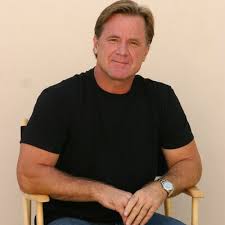 Producer Mark W. Koch (
 With cinema still pumping through his veins, Mark continued to develop A-list films, but now from a morally responsible position. To maintain his moral stance and to help others do the same, he shared his morning rituals in his book. Mark starts off each morning with 30 minutes in prayer, 30 minutes of Bible reading, and a minimum of 15 minutes of physical workout.
 I Can Only Imagine—WATCH
 Paul Apostle of Christ—AVOID
 God’s Not Dead 3—AVOID
 Non-Religious Films Competing for Audiences
 CJ's Corner