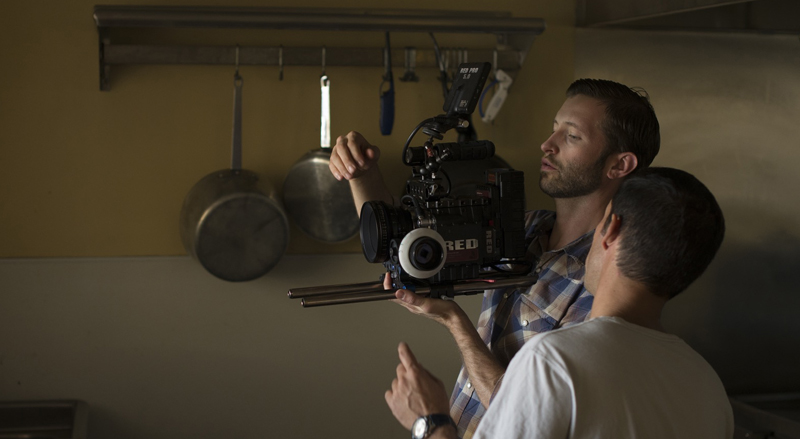
 This morning I was curious about the changes in the film industry based on the generational shift in business. The shift is hard to describe, but instead of handing numerous projects over to millennial filmmakers, Hollywood is still making most of the films with more experienced directors and producers.
I googled to learn what new filmmakers think their duties are and was surprised to read about tasks and software. There were no articles about crafting great stories in regard to a filmmaker’s duties. Nor was there anything I could find about the filmmaker’s core responsibility—entertaining the audience, while exploring the human condition.
Film is an emotional medium, which suggests a plethora of articles about how filmmakers create those proverbial roller coaster rides for the audience, but again there were few articles educating millennial filmmakers on how to build the emotions of the audience.
Story is king in both the emotional arena and in the exploration of the human condition. Story is also pure entertainment that opens the eyes and hearts of the audience to consider the filmmaker’s message. But again, there was little about how a millennial filmmaker could craft a story that changes the lives of its audience.
I think Steven Spielberg summed up the core problem well:
“People have forgotten how to tell a story. Stories don’t have a middle or an end any more. They usually have a beginning that never stops beginning.”
I’m not suggesting that filmmakers take classes on film and story theory. But I do advocate that new directors have as many diverse life experiences as possible to create a cinematic “tool belt” from which to fashion dynamic stories. I also recommend directors read a minimum of 10 books a year to capture and understand the observations of writers who explore the human condition.
Unfortunately the typical Millennial only reads an average of five books a year, keeping them far from the ability to contemplate various viewpoints, let alone draw noteworthy conclusions about our culture. A director must have a life perspective that integrates with, not isolates from, the culture at large in order to meet the audience where their hearts live and guide them to a more hope filled life.
Directors must also live inside the culture at large. They don’t have to be of it, but they do have to be in it. I worked on a major animation project years ago with a professor that was my exact opposite. I was conservative and she was liberal. I believed in sustaining life at all costs and she believed in “mercy” killings. The list continued ad nauseam.
The project we worked on helped over one million kids learn the basics of chemistry in 12 weeks. Even I fully comprehended the scientific principles in that short time frame. Why? Because I lived in the professor’s culture and in my own, which allowed me to bring all kinds of innovative ideas and new perspectives to bear on the project.
Once released, the professor admitted that she had worked with several liberal directors that were unable to simplify here complex teachings into simple animations. None of the previous solutions shared truth in a logical manner. She understood that it was my diverse knowledge and experience that made me the right director for the project.
She shared how much she grew as a person from the experience and offered her future services for free. She was willing to do anything for an opportunity to collaborate again. And, she started to rethink her position on a few controversial life issues.
Directors must be able to enter the worlds of other people and capture the essence of the person’s “why.” He must also thoroughly think through how to thread his message in and out of the entertainment elements of a story. These techniques allow the director to come along side of the audience and draw them from their viewpoint to his by the end of the film—fulfilling the duties of the director.
© 2017 by CJ Powers

 An article about dropping the term “faith-based” from the film industry recently became fighting words among Evangelical filmmakers. Those who felt their films were of a higher caliber didn’t want to be grouped with the “low budget,” “bad story,” “preaching films.” Others felt it was a great label to signal niche audiences to attend films that would interest them.
 About a year ago, Hollywood was ablaze with the #OscarSoWhite controversy encouraging studios to give more opportunities to “women and actors of color.” Not just opportunities, but equal opportunities. Giving little thought to what the viewing audience wanted, studios jumped in with immediate change.
 The social media PC police also attacked Gal Gadot for shaving her Wonder Woman armpits. The outpouring caused Warner Brothers to put the film back into postproduction and color her light under arm skin tones a darker shade. This childish turmoil forced Warner Brothers to consider how social media might negatively impact their budget, which likely was the cause of the evaporation of its massive ad dollars—the film is now being promoted with a fraction of its original budget.
 CJ's Corner