I’ve known Paul Munger for a few years and I’m excited about his latest film project. Paul is an award-winning filmmaker and I originally met him electronically through social media exchanges about filmmaking. He lives a quiet (not counting the noise generated by all his kids), high moral lifestyle and loves the medium of film.
Princess Cut is a love story that suggests true love is worth waiting for and based on how Paul and his wife live daily, the values depicted in the film will be worth watching.
 Let me take pause for a moment and give a shout out to my friend Mimi Sagadin who is one of the leads in the film. Mimi and I meet at a film conference where she taught actor workshops and I taught screenwriting workshops. We had a great time chatting about the art of film and improving our craft. Not only was she a generous, loving and humble person, but I also learned that Mimi is very careful about the films she stars in, which speaks highly of Paul’s writing efforts.
So without any further ado, here is my latest conversation with Paul…
CJ: Where did your inspiration come from for your latest film Princess Cut?
PAUL: One of the foundational desires of the human heart is the yearning to love and be loved. My wife and I drew from our own experiences in trying to navigate the maze of romance and these became the core elements of the story. Additionally, some events that happen in the movie are loosely based on insights penned by bestselling relationships book authors such as Eric & Leslie Ludy, Joshua Harris and Voddie Bauchum. The books themselves make their way onscreen through organic and interesting scenes. You’ll have to watch the movie to find out how!
CJ: You’re promoting the film as a faith and family friendly film. What key elements of the film reflect that genre?
PAUL: I’m absolutely convinced that there’s a wide group of people across the country who can identify with me and my dilemma. As to identity, first and foremost, I’m a Christian. And secondly, I’m a family man, with 8 children ranging in age from 13 to 1. Now here’s my dilemma: When we have family movie night, I’ll head to the video store with high hopes, but almost invariably I’ll have a really tough time finding something suitable for all of us to watch together. We’re simply looking for quality stories that affirm our faith and don’t include offensive elements such as profanity, nudity, and graphic violence. Those are some of the guiding principles that embody Princess Cut, and we expand the value by adding in positive portrayals of family life and the Christian faith.
CJ: You found new talent in Ashley Bratcher, while bringing on board veteran of faith-based films, Jenn Gotzon. What was it like working with these two?
 PAUL: These two actresses are splendid jewels. Rising Carolina talent and lead Ashley Bratcher is really one to watch. As a versatile method actor, she dove into the role of Grace with extraordinary fervor. I was impressed and grateful that she always came super prepared. Not only did she take direction extremely well but her timely input on scenes or wording of dialogue beautifully enhanced the final product.
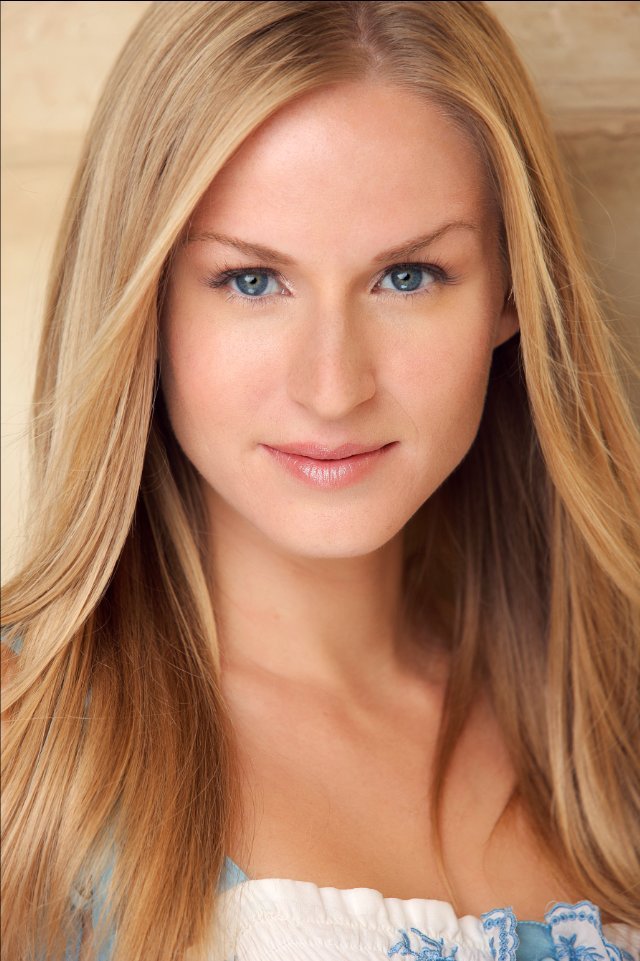 Jenn Gotzon was the first talent I brought on board. I always knew I wanted her as part of the team, having had the privilege of working with her on Alone Yet Not Alone and The Screenwriters. Equally as talented, she brought her experience to bear in the role of Brooke. Jenn’s dedication to go at the performance until we nailed it was an invaluable asset during some long shooting days crowded with cast and a host of extras! Factor in an always positive attitude and winning personality, and you’ll see on-screen why I wouldn’t have wanted any other person for the role.
CJ: In what way did the film challenge your directing skills?
PAUL: Honestly, I never thought I’d be the one directing Princess Cut. But it turned out to be one of the most delightful experiences of my life. When you have a talented team like I was blessed with, it makes your job so much easier. We had one of the most harmonious sets of which you could ever dream. But of course there’s always hurdles to overcome. For instance, when one of our key actors became sick we had to make some critical decisions that required massive reshuffling of the schedule. In God’s providence, this turned out to our benefit. And throughout production, I was constantly challenged to find new and better ways to clearly communicate my desires to the cast and crew. But in the final analysis, I learned and grew so much, and wouldn’t change a thing.
CJ: You have a Kickstarter campaign to raise the final funds to post the film. How are you getting the word out and how would you like people to help?
PAUL: After months of research and careful preparation, we launched our campaign on the crowdfunding site Kickstarter because of it’s name recognition and powerful tools. As the name suggests, crowd funding happens best when there’s a crowd! To me, that’s the exciting thing happening here, is that together we’re building a community, a family of engaged viewers who interact and share in this journey of love. Our desire is to encourage the pursuit of selfless relationships and to build up and benefit families everywhere. If you share that goal, we’d be most grateful if you would share your thoughts and feelings about Princess Cut with your family & friends through Facebook, Twitter and your blog.
CJ: What is the most important take away you want the audience to have after watching the film?
PAUL: It’s the same core we’re trying to impart to our own children that we’ve woven into what we hope will be an entertaining love story, and it happens on both a horizontal and vertical plane: Give love time to blossom into maturity! That only happens when you’re patiently waiting on God’s timing (vertical), purely seeking the best for the one you profess to love (horizontal) instead of greedily grasping after what they can give or do for you.
CJ: Since I have readers from 144 countries and your crowdfunding allows for international participation, I hope several people will help you reach your goal. Thank you for taking time to answer my questions.
PAUL: Thank you for the questions and asking about Princess Cut, it’s really an honor! Be blessed!


 CJ's Corner