
 Back when my kids were little, my wife and I threw story-based parties for friends. The food and the decorations perfectly fit the period and we even invited our guests to come in costume based on the party’s storyline.
Our World War II party took place in what looked like a bunker. The Star Trek party appeared to be on another world with very colorful foods. And, our western party included a shootout with a cowboy stunt team – and yes, one guy was shot off of the roof.
This weekend my son is organizing a “room escape” party – the latest in entertainment events. Not only will it have a theme, but it will also be story-based. The goal of those “locked” in the room is to search and find clues, decipher the codes and follow them to the conclusion that reveals the key to get out.
All of the best parties that I’ve attended were story-based. Story events take a great deal of effort for the host to prepare, but everyone will remember the event for decades to come. I still bump into people who rave about my Christmas party from twenty-five years ago when Santa showed up with his real sleigh.
Here are the steps necessary to create a story-based party:
- Decide what story you want to tell. This is simply a way of determining the guest experience you want to create. The creation of a story or journey of sorts generates a form of movement within the party that keeps things alive and entertaining.
- Determine what the guests will do. By creating an plan, the guests will be physically and emotionally moved through a series of actions that generate surprise, awe and memorable ah-ha moments.
- Select where they will do it. The physical place or setting is always paramount to a good story. It sets the atmosphere and peaks the interest of all guests in attendance.
- Pick when the story will take place. The time period plays an important role in the setting. The period can be modern day, the future, or somewhere back in history. Creating designs that reflect the specific period you choose creates richness to the party that is not soon forgotten.
- Choose what the guests will say tomorrow. All story-based parties generate a buzz of conversation. Friends tell other friends all about their experience the day after the party. In fact, the better the party, the longer people talk about their experience. Therefore, determining the result or the emotional takeaway you’d like to instill in your guests is critical to the party’s follow up conversations.
After you’ve made a list of the above items, you can organize the event in an order that works best for the story. The flow of activities is essential for creating a seamless environment that engulfs your guests in a great experience.
By thinking through all aspects of the event and scripting out the throughline or the flow of the story, you can create a party worthy of a theme park. Then make a list of all the details that are significant to the storyline. I like to use a visual board that I can attach magazine clips, photos and note cards.
The next step is easy. Look through all the brainstorming work you’ve collected and pull it all together. I’ve always found that the visual collection of the ideas seems to always imply an obvious storyline that will flow naturally and be a great success.
I threw a Mother’s Day party that was a nostalgic look at the 1940’s during the summer. It included an award winning barbershop quartet, dancers recreating the charm of Fred Astaire and Ginger Rogers, and a delightful meal common for the period. There was also a lot of beautiful lace table clothes and freshly cut flowers throughout the room.
Story-based parties are significantly more spectacular than store bought themes. They have a movement and richness that can’t be purchased in a box. It requires the host to be creative and think carefully about how to entertain each guest. It might even be the ultimate in hospitality because of the tremendous care taken on behalf of the guests.
Copyright © 2016 by CJ Powers
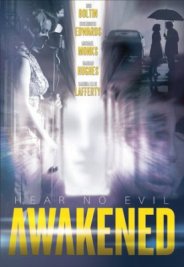 I also hope that the three festivals that awarded the film for Best Visual Effects, Best Film and Best Feature Film have learned not to put their seal of approval on bad films. I can understand the desire to award the least worst film when a festival isn’t able to draw in great filmmakers, but the only way bad faith-based films and thrillers will ever improve is when only great films receive awards.
 When I was a teenager at the university, life became clear for the students around me. Each one was compelled to be a maverick in taking a new lifestyle back home. We invaded our communities with new concepts that disrupted the status quo. We shared our new radical ideas of respecting those who might be offended, while voicing our well thought out dissenting opinions.
 CJ's Corner