AMPTP COVID-19 Guidlines

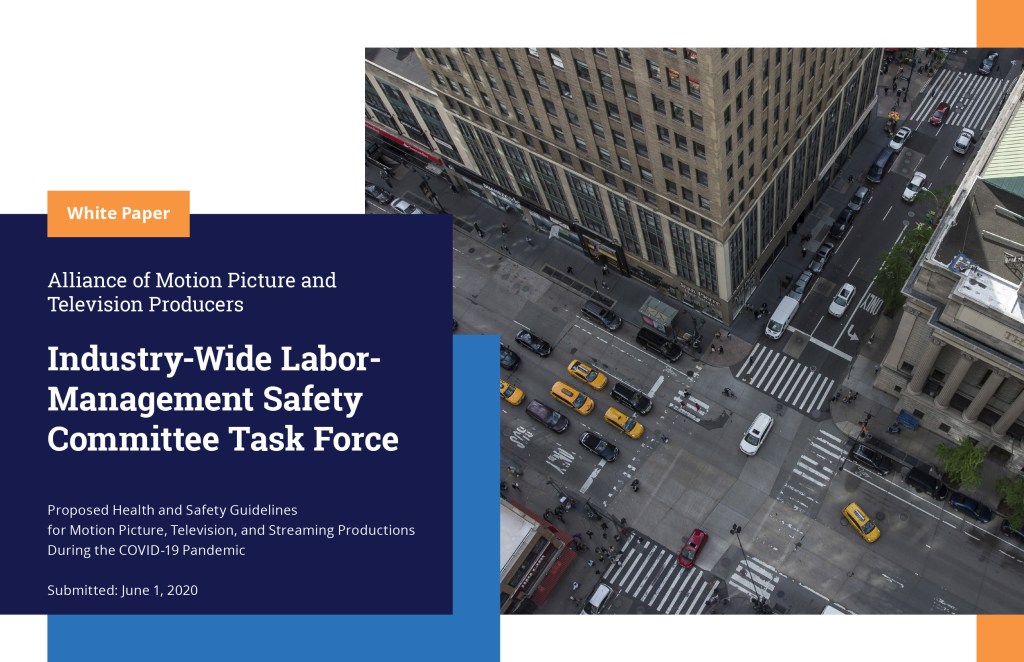
Film, television, and streaming production resumes on June 12, 2020. The Alliance of Motion Picture and Television Producers released proposed health and safety guidelines for use during the COVID-19 pandemic. The document can be downloaded by clicking the button below.

The guidelines are based on discussions with health experts, guidelines issued by U.S. Centers for Disease Control and Prevention (CDC) and the Occupational Safety and Health Administration (OSHA), and input from industry participants familiar with the working conditions of motion picture and television production. The task force participants that proposed these guidelines are listed in the appendix.

While each production company and its associated unions and non-union workers can determine their own guidelines to follow, the industry is encouraging all production companies to put some form of protection in place.

The document can be downloaded by clicking the button below.

Selected for Festival

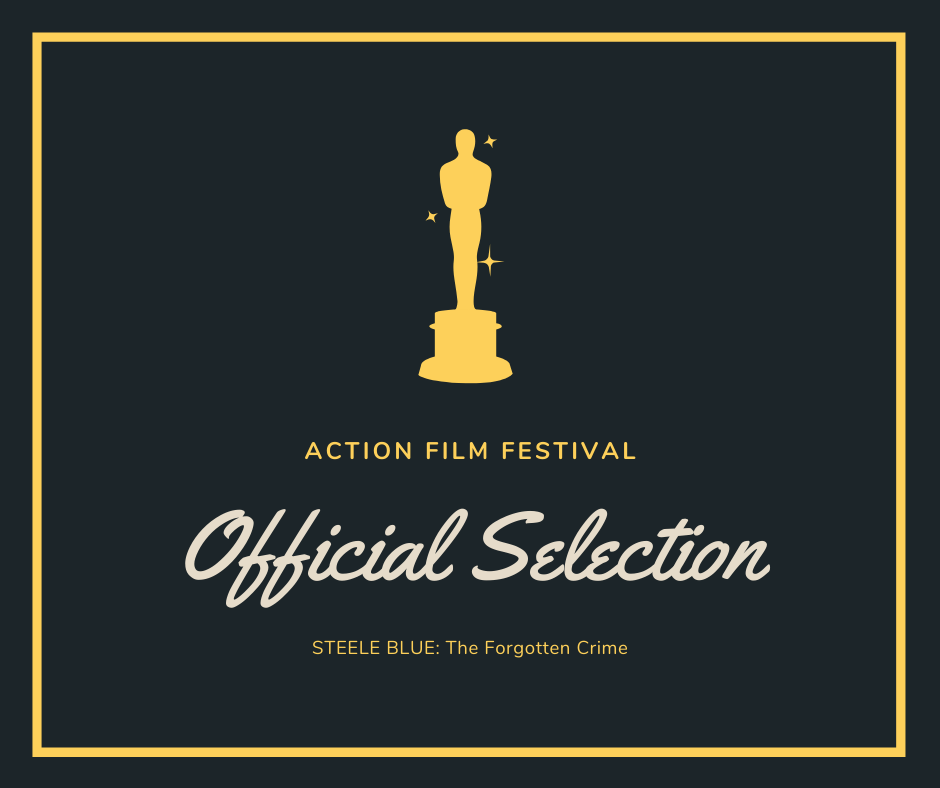
The words that make me as giddy as a little kid are: “your work was selected to be included in the festival.” Yesterday, I was so pumped up that I forgot about all the terrible things going on in our country. I instantly became childlike and danced one of those weird, awkward dances in the living room. Why? Because my screenplay STELLE BLUE: The Forgotten Crime was selected as an official entry for an action film festival.

Festivals have various benefits like having your work reviewed by Hollywood producers, agents, managers, etc. Other festivals pull out wads of cash prizes. Some festivals lead to option agreements and production contracts. A few festival winners even qualify for submission into the Oscars.

I wrote the first draft of Steele Blue a long time ago. It was a good action/buddy cop story with several really cool scenes. Years later, I tried my hand at writing the novel. This was a rich experience that helped me realize how different the skills are for writing books and scripts.

After getting my MFA in Creative Writing, I decided to pull the STEELE BLUE screenplay off of the shelf and do a complete rewrite based on my new knowledge and increased skills. While much of what I learned came from classes and peer reviews, I had also been connected with a top Hollywood writer that spent his career writing top television cop shows and TV movies for the major networks. It was a privilege to learn techniques and industry secrets from him.

Once COVID-19 hit, I converted the entire book to screenplay for my first draft. It turned out to be three hours long and I needed to cut 70 pages. The first set of cuts were easy, as I took out everything that wouldn’t work on screen. I then determined what the key plot drivers were and established the beats necessary for a great visual action film.

The next step was determining what subplots to keep. The book had plenty of room for numerous plot points, but great films are limited. I almost shed a few tears as I cut out some really great scenes. But scenes that didn’t move the action plotline forward had to go. All the fat and extra nuances in the story were sliced out.

I eventually got the story down to two hours. In doing so, it became really clear what scenes worked and what scenes needed to be reworked. It was rewrite time. Thanks to my newly developed skills, I crafted the story with focus and a great emotional tone that would satisfy the action genre fan and his or her date/spouse.

The next step was to enter a handful of festivals and see how my writing compared to others. I entered both niche focused and highly respected festivals. The festivals announce their selections at various times and the first announcement included my screenplay as an official selection—a good sign for other festivals.

The good news continued with the festival requesting information for networking introductions with industry leaders to include my needs for budget, funding, and distribution. This request made me feel like my story had value and I’m looking forward to every door the festival opens for me. And, who knows, I might even win a festival or two.

Copyright © 2020 by CJ Powers

Screen Fatigue Leads to Human Touch

Photo by Andrea Piacquadio on Pexels.com

The need to communicate is a part of the human condition. The recent stay-at-home programs helped launch Zoom from a small business tool into a common household name. But today, Zoom is becoming less appealing due to screen fatigue.

Social distancing forced many companies to use video conferencing and webinars for multiple daily meetings. Add to this phenomenon the staggering growth of virtual social gatherings and you find most working adults in front of a screen well beyond what their bodies can handle.

Screen fatigue overcame the fresh, exciting moments that new media brought to social communication.

Our desire to communicate with others has increased during our seclusion. Our appetite for connection was never satisfied by meeting on screen. We as a people group needed to get outside and connect in person to feel any level of fulfillment. Long periods of isolation didn’t even feel good to many introverts. Cabin fever set in and screen fatigue made everyone more susceptible.

We as humans need physical touch for our sanity and to feel connected. This is due to what psychologists refer to as phycological hungers. One of the phycological hungers that Dr. Eric Berne noted in Transactional Analysis was Contact Hunger. His work states that physical touch develops comfort and identity. The moment of touch also causes a visceral sense of connectedness and a healthy separateness.

Physical touch develops comfort and identity.

In societies that have looked down on forms of interactive touch like hugs, handshakes, and kisses, the individuals are more susceptible to being emotionally unhealthy and filled with distress. Those societies move into a progression of dysfunction, more so than that of a society that accepts touch and has to deal with some issues of abuse.

The extended COVID-19 isolation has starved many people from human touch, which has driven a need for more personal interaction. Screen fatigue has added to this problem and has driven people to seek outdoor gatherings. Since most are spaced six feet apart, the growing hunger will not be satisfied.

Kory Floyd Ph.D., recently published an article on “Skin Hunger” in Psychology Today. He pointed out that the starvation of physical touch is no less detrimental than water or food starvation. In a recent study, he found that adults deprived of human touch showed a great increase in depression, stress and loneliness. He also noted that they were less happy and they saw a major drop-off of their immune system leading to significant health risks.

Both noted experts helped me understand that our skin hunger will drive us to any oasis of human touch that is available. And, just as our bodies can’t go without food for more than 40 days, our skin can’t go without human touch. The phycological factors of blocking physical touch lead to dysfunctional problems that our society is not prepared to handle. The isolation of the healthy will drive people to hunger for what their bodies need in order to survive.

The next time you find yourself feeling empty while on a social video conference call, remember that those virtual relationships will always lack the touch that your skin needs to survive. We are a physical people that must interact to feel fulfilled and to solidify our identity. The next chance you have to extend your human touch, remember that doing so will feed person’s skin and bring health to their soul.

Copyright © 2020 by CJ Powers